Downsides of a Pay-Yourself-First Budget to Know
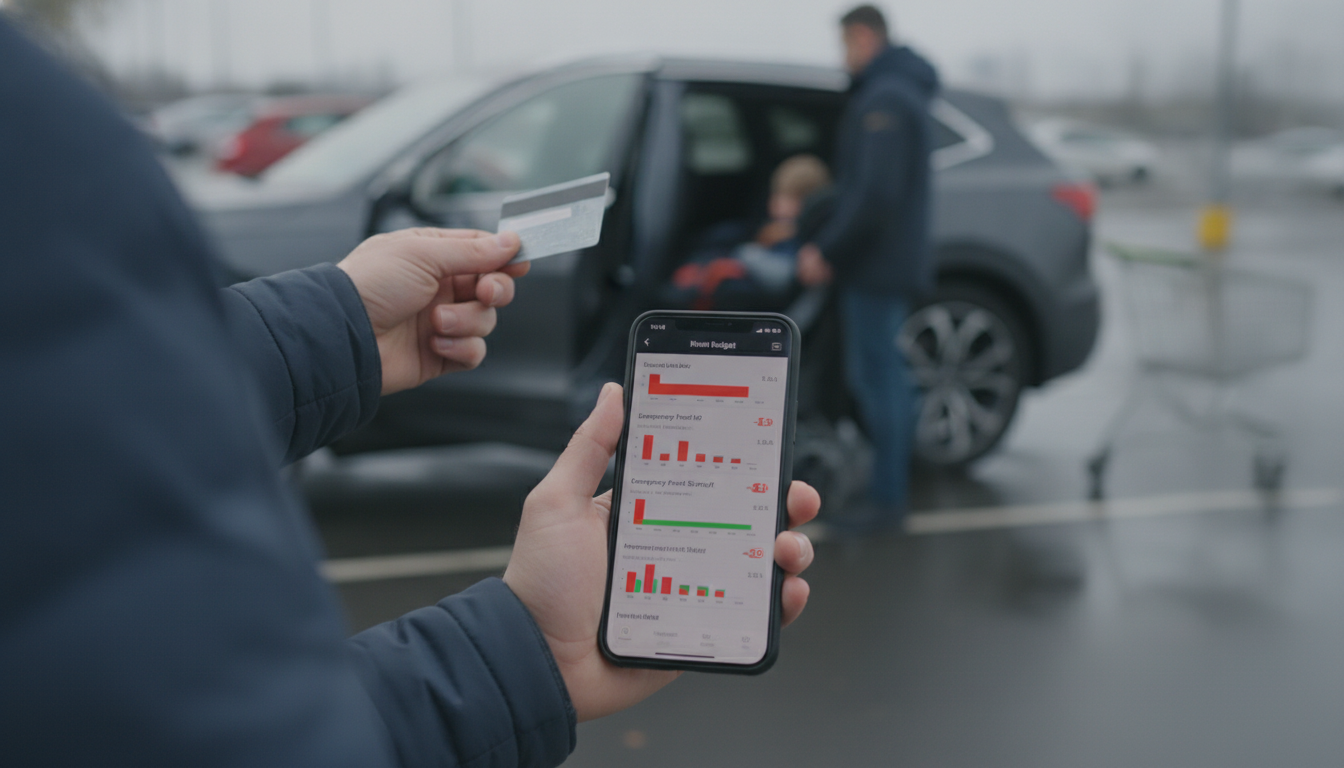
What are the cons of pay yourself first budget?
A pay-yourself-first budget can be a powerful way to automate saving, but it isn’t a perfect fit for every household. The biggest downsides usually show up when cash flow is irregular, expenses are unpredictable, or the “set it and forget it” approach causes other priorities to get squeezed.
It can strain cash flow if income isn’t steady
If paychecks vary (commission, gig work, seasonal hours), a fixed transfer to savings can leave checking short for essentials. That can lead to overdrafts, late fees, or having to pull money back out of savings—undoing the intended progress.
It may ignore true expense timing
Rent, insurance premiums, quarterly taxes, and annual renewals don’t always line up neatly with payday. Paying yourself first without a plan for upcoming bills can create a “surprise” crunch even when total monthly income is sufficient.
Debt and high-interest costs can get underfunded
Automatically saving first can feel responsible, but if it causes you to pay only minimums on high-interest credit cards, the interest can outpace the gains from saving. In some cases, prioritizing debt payoff (or splitting priorities) produces a better outcome.
It can hide overspending in the background
Because savings happens automatically, it’s possible to avoid looking closely at spending habits. If the remaining money is spent freely, you may not build the awareness needed to cut recurring costs, negotiate bills, or set realistic category limits.
Transfers can be too rigid for real life
Medical expenses, car repairs, travel, or family obligations can make an aggressive “save first” percentage feel punishing. When the system feels too tight, people often abandon the method altogether rather than adjusting it thoughtfully.
For a deeper breakdown and practical ways to reduce these drawbacks, visit What are the cons of pay yourself first budget?.
FAQ
How much should you pay yourself first?
A common starting point is 5% to 10% of take-home pay, then increasing after you’ve stabilized bills and built a small emergency cushion. The best amount is one you can automate consistently without relying on credit to cover essentials.









Leave a comment