10 Iconic U.S. National Parks: Fast Facts + Planning
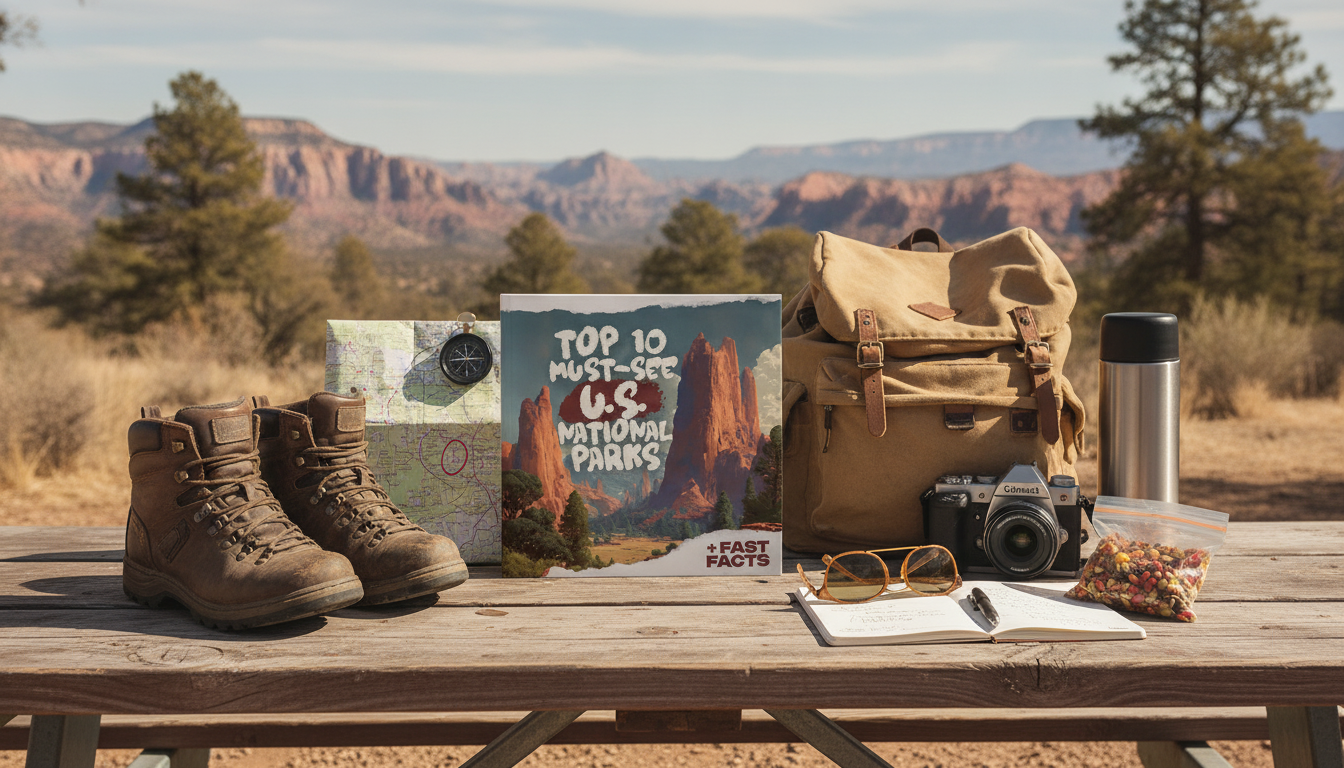
Top 10 Must-See U.S. National Parks: Fast Facts and Trip-Planning Notes
A practical, quick-scan guide to ten iconic U.S. national parks, with fast facts and planning notes for hikers, nature lovers, and itinerary builders. Use it to compare landscapes, pick the best season, and map out a realistic route—whether planning a single weekend escape or a multi-park road trip.
What makes these parks essential stops
- Landscape variety: deserts, mountains, glaciers, coasts, wetlands, and canyons—all protected under one system.
- Signature experiences: scenic drives, short walks to big views, backcountry routes, and wildlife viewing in world-class habitats.
- Trip-building ease: many parks connect naturally to gateway towns, major airports, and famous road-trip corridors.
- Seasonality matters: road access, trail conditions, and crowd levels can swing dramatically month to month, especially in high-elevation parks.
Top 10 parks and the moments to plan around
Grand Canyon National Park (Arizona)
Rim viewpoints deliver instant wow-factor, while corridor trails (like Bright Angel and South Kaibab) reward early starts. Plan around sunrise/sunset lighting and build extra time for shuttle logistics during peak seasons.
Yellowstone National Park (Wyoming/Montana/Idaho)
Geyser basins feel otherworldly, and wildlife sightings can define the whole day. Driving takes longer than expected—add buffers and aim for early mornings for the best animal activity.
Yosemite National Park (California)
Granite icons, big waterfalls, and legendary trail networks make Yosemite a repeat-visit park. Check current reservation/entry requirements and arrive early for valley parking and popular trailheads.
Zion National Park (Utah)
Steep canyon walls and bucket-list hikes make Zion a strong anchor for a Southwest loop. Confirm shuttle seasons and keep a close eye on heat and flash-flood conditions—especially for any narrows-style adventures.
Bryce Canyon National Park (Utah)
Hoodoo amphitheaters glow at sunrise and look surreal under starry skies. Shoulder seasons are often ideal for comfortable hiking, and clear evenings are perfect for night-sky viewing.
Arches National Park (Utah)
Short-to-moderate trails lead to famous stone arches and fins. Plan dawn or dusk hikes for cooler temperatures and better light for photos, and be prepared for limited parking at popular stops.
Rocky Mountain National Park (Colorado)
High-elevation drives and alpine trails provide classic mountain scenery with quick access from the Front Range. Watch for timed entry systems and expect afternoon thunderstorms in summer—start hikes early.
Glacier National Park (Montana)
Glacial valleys, teal lakes, and rugged passes are the headline. Access on Going-to-the-Sun Road is highly seasonal, so trip timing matters as much as lodging and route planning.
Acadia National Park (Maine)
Rugged Atlantic coastline, carriage roads, and sunrise views make Acadia easy to fit into a coastal itinerary. Tide timing can shape your day, and early starts help beat traffic near top viewpoints.
Everglades National Park (Florida)
Wetlands, birds, and paddling routes deliver a completely different national-park feel. Prioritize the dry season for comfort, and plan for mosquitoes year-round with smart clothing and repellent.
Fast facts comparison table
Use this grid to narrow choices by terrain, ideal season, and the type of adventure each park supports. Always confirm current conditions, closures, and entry requirements before departure via the National Park Service.
| Park | Signature highlight | Best time to go | Good for |
|---|---|---|---|
| Grand Canyon | Layered canyon vistas | Spring/Fall | Viewpoints, day hikes, photography |
| Yellowstone | Geysers + wildlife | Late spring to early fall | Road-trip loops, wildlife watching |
| Yosemite | Granite icons + waterfalls | Spring/Fall | Hiking, climbing, scenic drives |
| Zion | Canyon trails | Spring/Fall | Hiking, narrows-style routes |
| Bryce Canyon | Hoodoo amphitheaters | Late spring/Fall | Short hikes, stargazing |
| Arches | Stone arches | Spring/Fall | Sunrise hikes, geology |
| Rocky Mountain | Alpine lakes + tundra | Summer/Fall | High-elevation hikes, scenic drives |
| Glacier | Alpine passes + lakes | Mid-summer to early fall | Hiking, epic drives |
| Acadia | Coastal granite + carriage roads | Summer/Fall | Biking, coastal walks, sunrise |
| Everglades | Wetlands + birds | Winter/Dry season | Paddling, wildlife, photography |
How to map a realistic itinerary
For quick route checks and topo context, the USGS National Map is a solid starting point—especially when cell service is limited.
What to pack for comfort and safety
- Footwear and layers: expect fast-changing temperatures, especially at elevation and after sunset in desert parks.
- Water strategy: carry more than expected in arid parks, and confirm refill points at visitor centers and trailheads.
- Navigation basics: download offline maps, bring a simple paper backup, and assume you’ll lose signal at the worst possible time.
- Wildlife etiquette: keep distance, secure food, and follow posted rules—especially in bear country and bison areas.
- Leave No Trace habits: stay on durable surfaces, pack out trash, and respect habitat closures. The Leave No Trace Seven Principles are a helpful refresher before any trip.
Digital guide option for quick planning
- Top 10 Must-See U.S. National Parks + Fast Facts (Digital Travel Guide eBook) for quick comparisons and itinerary prompts.
- Solo Traveler’s Guide to Staying Safe (Digital Download PDF eBook) for a practical safety checklist—useful for solo hikes, roadside stops, and low-signal areas.
FAQ
What is the latest edition of National Geographic Guide to national parks?
The most current edition changes over time and may differ by format (paperback, hardcover, or digital). Check National Geographic’s official listing or the publisher page for the latest publication date, and verify the ISBN and edition year before buying.











Leave a comment