Windproof Women’s Winter Cycling Jacket: Warm & Reflective
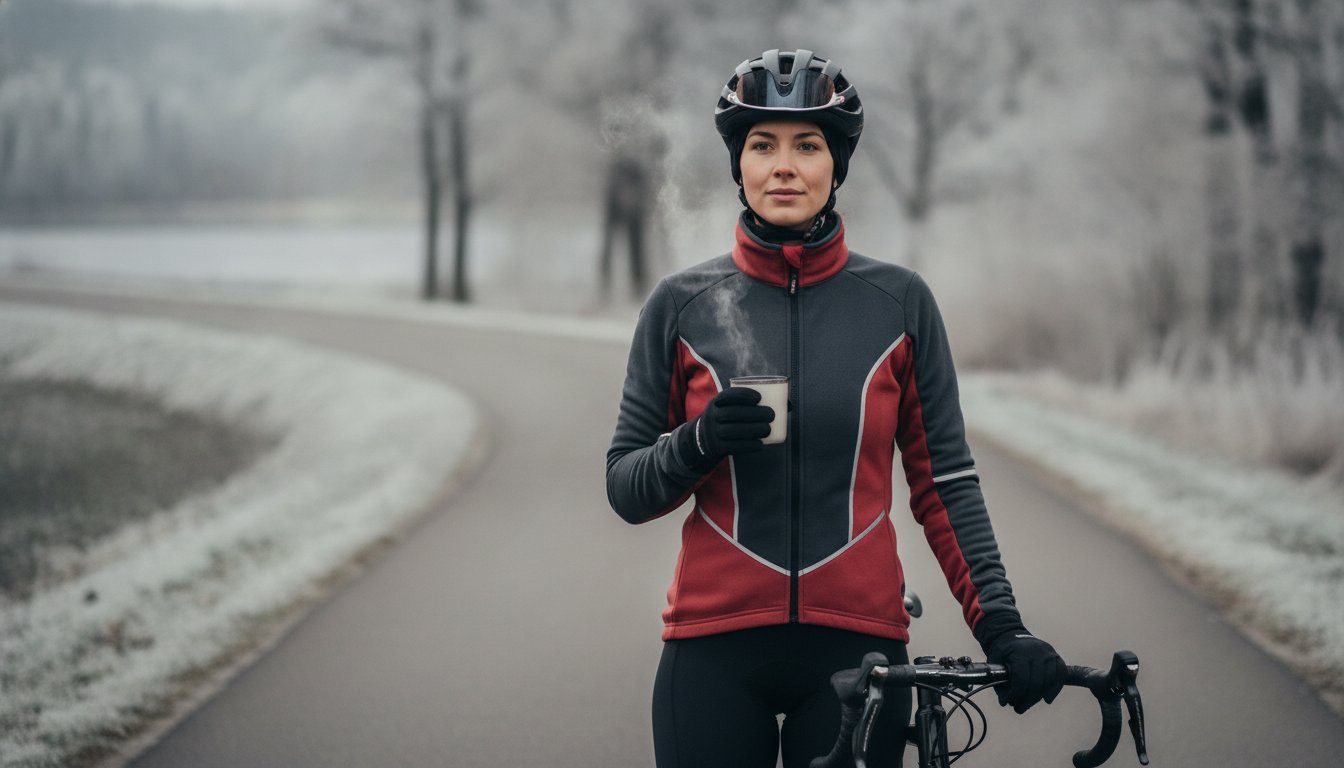
Women’s Winter Cycling Jacket – Windproof Fleece, Reflective & Thermal Sport Coat
Cold-weather rides demand a jacket that blocks wind, traps warmth without overheating, and keeps visibility high when daylight fades. This women’s winter cycling jacket pairs a windproof outer with fleece warmth and reflective details to stay comfortable on commutes, training rides, and weekend loops—especially when the forecast looks dry but the air feels biting.
What matters most in a winter cycling jacket
Winter comfort on the bike is less about piling on bulk and more about managing windchill, sweat, and shifting effort. When comparing options, these elements make the biggest difference:
- Wind protection to prevent chill at speed, especially on descents and exposed roads.
- Thermal insulation that stays warm while moving, without feeling bulky in a riding position.
- Breathability and moisture management to reduce sweat buildup during climbs and intervals.
- Reflective elements positioned for real-world visibility in low light and traffic.
- Cycling-friendly fit with room for base layers and freedom of movement at shoulders and elbows.
If you’d like a refresher on smart layering (and why it often beats a single heavy coat), REI’s guide is a solid reference: How to Dress in Layers.
How this jacket supports cold-weather riding
This jacket is built for the realities of winter miles: wind on the flats, sudden temperature drops at dusk, and stop-and-go commuting where your body heat rises and falls. The windproof outer helps reduce windchill so your core temperature stays steadier on long stretches, while the fleece lining adds a buffer of warmth for early starts and late returns.
Because the design works well with layered setups (base layer + jersey + jacket), it can cover a wide range of conditions. Reflective accents add a safety boost in the short-day season, and the sport-coat styling can transition from bike use to casual outdoor wear without looking overly “technical.”
Quick feature checklist
| Need on winter rides | How this jacket helps | When it matters most |
|---|---|---|
| Wind blocking | Windproof outer reduces chill | Fast descents, headwinds, open roads |
| Warmth retention | Fleece + thermal build holds heat | 0–10°C rides, long steady efforts |
| Visibility | Reflective details catch headlights | Night commutes, fog, short winter days |
| Layer compatibility | Designed to wear over layers | Temperature swings, stop-and-go routes |
| All-around use | Sport coat versatility | Commute-to-errands, travel, outdoor walks |
Comfort and fit for a riding position
A winter cycling jacket should feel secure when you’re leaned forward, not like a sail in crosswinds. At the same time, it can’t be so tight that it restricts breathing or pinches when you reach for the bars.
- Prioritize a stable fit that doesn’t flap in the wind but still allows a base layer and mid-layer.
- Check shoulder mobility for reaching the bars and looking over a shoulder in traffic.
- Aim for sleeve length that stays put with bent elbows and gloves.
- Look for longer back coverage to help reduce drafts when leaning forward.
- If between sizes, choose based on layering plans: snug for higher-intensity rides, roomier for commuting.
When to wear it: commuting, training, and mixed winter weather
This type of windproof, fleece-lined jacket shines when cold air is the main enemy—especially when you’re creating plenty of your own heat once you get rolling.
- Commuting: Pair it with a warmer base layer and reflective accessories for dependable daily use.
- Training: Great for endurance miles and steady tempo efforts where windchill is the main issue.
- Changeable days: Add or remove mid-layers to handle morning-to-afternoon temperature swings.
- Dry cold vs. damp cold: Windproof warmth excels in dry, breezy conditions; add a shell if heavy rain is expected.
- Low-light seasons: Reflective details work best alongside proper bike lights.
For additional guidance on staying visible, see Cycling UK: Bike Lights and Visibility Advice. For broader roadway safety reminders, the NHTSA Bicycle Safety page is also helpful.
Layering guide for common winter ride temperatures
Layering is your “thermostat.” Adjust thickness based on effort level, wind, and how long you’ll be out. These setups are practical starting points:
- 10–15°C (50–59°F): Lightweight base layer + jersey; add the jacket for windier routes or long descents.
- 5–10°C (41–50°F): Midweight base layer + jersey; jacket as the main outer layer.
- 0–5°C (32–41°F): Thermal base layer + insulating mid-layer; jacket on top; add neck gaiter and warm gloves.
- Below 0°C (32°F): Thicker base layer + warm mid-layer; jacket plus extra wind protection for extremities.
- Adjust by effort level: Higher intensity typically needs lighter layers; commuting pace often needs more insulation.
Care tips to keep windproof warmth and reflectivity performing
Winter riding brings road spray, grit, and sometimes salt—so a little maintenance goes a long way.
Product details and availability
Featured jacket: Women’s Winter Cycling Jacket – Windproof Fleece, Reflective & Thermal Sport Coat
- Rain Cloud Humidifier (helpful for dry indoor air during heated winter months)
- Gua Sha Scraping Massage Board Set (a simple add-on for post-ride muscle care)
FAQ
Is a windproof winter cycling jacket too warm for harder efforts?
It depends on intensity and how you layer underneath. For intervals or climbs, use a lighter base layer and start slightly cool; for slower commutes, add a warmer mid-layer to stay comfortable during stops and descents.
How should a women’s cycling jacket fit over layers without feeling bulky?
Make sure you can reach the bars comfortably, rotate your shoulders, and keep sleeves in place with bent elbows. Choose sizing based on your typical base and mid-layer thickness, aiming for a close fit that doesn’t flap while still allowing easy movement.
Do reflective details replace bike lights at night?
No—reflective elements improve visibility only when illuminated, but they don’t actively light your path. Use front and rear bike lights at night, and treat reflectivity as an additional layer of safety.








Leave a comment