Foldable Cat Tunnel Bed: Plush Cushion Hideaway
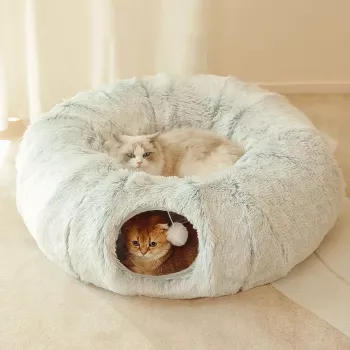
Cozy Cat Tunnel Bed with Plush Cushion – A Foldable Hideaway for Indoor Play and Rest
Indoor cats thrive with a mix of security, comfort, and daily enrichment. A tunnel-style bed combines a covered “den” for naps with a playful runway for stalking and pouncing—while staying compact enough for apartments. This guide breaks down what makes a tunnel bed useful, how to set it up, and how to keep it clean and inviting.
Why a tunnel bed works so well for indoor cats
Cats are experts at turning small spaces into “bases” where they can rest, observe, and launch quick bursts of play. A tunnel bed supports that routine without taking over a room.
- Supports natural instincts: hiding, ambushing, and observing from a protected space.
- Encourages movement: adds a fun path to run through, especially helpful in smaller homes.
- Creates a predictable safe zone: can reduce stress in multi-pet or busy households.
- Separates rest and play: cats can nap on the cushion and explore the tunnel when energized.
For more on how environment and routine shape feline well-being, see the American Association of Feline Practitioners environmental enrichment guidelines and the International Cat Care guidance on welfare and environmental needs.
Design highlights to look for in a multifunctional foldable nest
Not every tunnel bed is equally inviting. The best options feel soft, stay open during play, and are easy to maintain day to day.
- Plush cushion comfort: a soft surface that invites longer naps and helps older cats settle more easily.
- Tunnel structure: an enclosed space that feels like a burrow, ideal for shy cats and kitten play.
- Foldable form: easier storage, quick room resets, and portability between rooms.
- Stable shape: a design that holds its tunnel form without collapsing during zoomies.
- Cozy materials: warm, soft-touch fabrics can be especially appealing in cooler months or air-conditioned homes.
Choosing the right spot at home
Placement matters as much as the bed itself. Cats are more likely to use a new hideaway when it feels safe and fits their daily “route” through the home.
- Quiet corner placement: near a wall or furniture edge often feels safer than the center of a room.
- Warmth preference: many cats choose areas away from drafts and heavy foot traffic.
- Multi-cat strategy: provide space around the area so cats don’t feel trapped by another pet.
- Proximity to routine: placing the bed near a favorite window, scratching post, or nap zone increases adoption.
- Noise and vibration: avoid laundry machines, loud speakers, or frequently slammed doors.
If your home air runs dry in winter or with constant AC, a steadier humidity level can make a room feel more comfortable overall. A small room humidifier like the Rain Cloud Humidifier can be a simple add-on to a cat’s favorite hangout area (kept safely out of reach and maintained per instructions).
Comfort and play: simple ways to increase daily use
Some cats dive right in; others need a low-pressure introduction. The goal is to make the tunnel bed feel familiar and rewarding.
- Introduce with scent: rub a familiar blanket on the cushion or place a recently worn (clean) T-shirt nearby.
- Make it a game: toss a soft ball through the tunnel or drag a wand toy just outside the entrance.
- Use treats strategically: start at the opening, then place a few deeper inside to build confidence.
- Rotate novelty: reposition the tunnel a few feet or change its angle to refresh interest.
- Respect choice: allow exploration at their pace—avoid placing the cat inside if it resists.
For many cats, the “sweet spot” is a predictable daily rhythm: short play bursts (5–10 minutes), followed by a snack, then a cozy nap spot that feels protected.
Size, temperament, and household fit
A tunnel bed can work for most indoor cats, but small setup tweaks make a big difference depending on age, confidence, and living situation.
| Cat or Home Situation | What Helps Most | Setup Tip |
|---|---|---|
| Apartment / limited space | Foldable, multifunctional bed + play tunnel | Place along a wall to create a “cat lane” |
| Shy or newly adopted cat | Covered hideaway feel | Start in a quiet room; add familiar scent |
| High-energy indoor cat | Tunnel for sprinting and ambush play | Pair with wand-toy sessions for 5–10 minutes |
| Senior cat | Plush cushion for longer naps | Keep on a non-slip rug; avoid drafts |
| Multi-cat household | Separate retreat space | Avoid tight choke points near entrances |
Cleaning and care for long-lasting coziness
A bed that smells fresh (without heavy fragrance) is far more likely to stay in regular rotation. Small, frequent upkeep also reduces wear and keeps the space inviting.
A cozy option to consider
- Cozy Cat Tunnel Bed with Plush Cushion – Multifunctional Foldable Nest for Indoor Cats ($34.51)
- Rain Cloud Humidifier ($51.51)
FAQ
Will a tunnel bed work for a cat that prefers open beds?
Yes—start slowly by placing the bed in a familiar nap zone and letting the cushion feel like the “main feature” at first. Use treats or a favorite toy near the entrance so your cat builds a positive association without feeling pressured to go inside.
How can a tunnel bed help with boredom for indoor cats?
It gives cats a dedicated spot for stalking, chasing, and popping out to “ambush,” which mirrors natural play patterns. Combine it with short daily play sessions and occasional toy rotation to keep the tunnel feeling new.
What’s the best way to keep a plush cat bed fresh between washes?
Lint roll frequently, spot clean right away, and air the cushion out to prevent odors from settling in. Stick to pet-safe, unscented cleaners and avoid harsh chemicals that can leave lingering smells.









Leave a comment