Rotating Duck-Bill Tea Filter: Cleaner Pours, Faster Brewing

Stainless Steel Rotating Duck-Bill Tea Filter for Clean, Fast Home Brewing
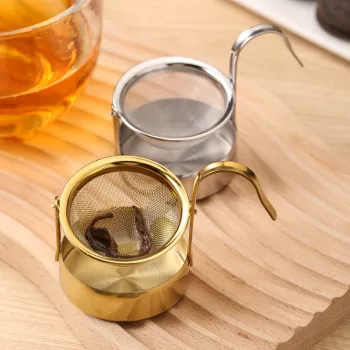
A rotating duck-bill tea filter streamlines loose-leaf brewing by pairing a fine stainless mesh with a controlled pour design. Instead of fishing out leaves or dealing with gritty sediment at the bottom of the cup, you strain as you pour—quickly, neatly, and with better control over where the stream lands. Below is a practical guide to what this tool does, how it fits into popular tea routines, what affects pour clarity, and how to keep stainless steel tasting clean over time.
What a rotating duck-bill tea filter does
At its core, a rotating duck-bill tea filter is a handheld (or cup-seated) strainer that catches leaf particles while you transfer brewed tea into a cup, fairness pitcher, carafe, or thermos. The “duck-bill” spout helps aim the stream so you get fewer drips along rims and fewer splashes on counters.
The rotation feature is especially useful when your pouring angle changes—like moving from a gaiwan to a pitcher, then to small cups—because you can align the spout without contorting your wrist. Made from stainless steel, it’s designed for repeat use and typically stays more odor-neutral than many plastics when cared for properly.
Where it fits in common brewing setups
Gongfu brewing
In gongfu-style sessions, speed and precision matter. A rotating duck-bill filter is commonly set over a fairness pitcher (cha hai) so tea from a gaiwan or small teapot pours cleanly, then distributes evenly into cups.
Western-style brewing
If a larger teapot doesn’t have a built-in strainer—or you’re brewing in a saucepan or French press-style vessel—a separate stainless filter gives you a tidy transfer into a mug, carafe, or insulated bottle.
Cold brew concentrate
Cold-brewed tea can carry fine fragments that slip through coarse strainers. Pouring a jar or pitcher through a fine mesh helps catch those bits before you dilute over ice or mix with water.
Office and travel
For desk drawers, break rooms, and hotel mugs, a compact strainer can be more practical than a full teapot infuser—especially when you want loose-leaf results without a lot of gear.
Pour quality: mesh, flow, and clarity
Straining performance comes down to a balance between mesh fineness and flow rate. Fine mesh improves clarity for broken-leaf teas (like many CTC black teas), fannings, and herbal blends that shed tiny pieces. On the other hand, whole-leaf oolong and large-leaf black teas benefit from higher flow that reduces overflow risk during fast pours.
Stability matters too. A filter that sits securely on the receiving vessel helps prevent wobble—particularly when pouring quickly from a gaiwan. Finally, a well-shaped duck-bill spout supports a smooth stream, helping reduce splashing and keeping the brew where it belongs: in the cup.
Quick comparison of straining options
| Option | Best for | Trade-offs |
|---|---|---|
| Rotating stainless duck-bill filter | Frequent loose-leaf brewing; clean pours; multiple vessels | Needs rinsing after use; occasional deep clean for tannin buildup |
| Fine-mesh basket infuser (in mug/teapot) | Single-vessel steeping; minimal transfers | Can restrict leaf expansion in smaller baskets; may leave sediment with very fine blends |
| Disposable paper tea bags | Convenience; minimal cleanup | Ongoing cost and waste; can mute aroma and body depending on paper and fill level |
| Built-in teapot strainer | Simple pouring from one pot | Hole size varies; often lets fine particles through; harder to upgrade without replacing the pot |
How to use it for different teas
Green tea
Green tea can release very fine particles, especially from more broken styles. Pour gently to avoid pushing fines through the mesh. Rinse the filter right away so delicate, grassy aromatics don’t linger.
Black tea
Black tea tends to stain faster. After brewing, a quick warm-water rinse plus a short soak (if needed) helps prevent tannin residue from building up and turning future cups dull or bitter.
Oolong
Oolong shines with fast, clean pours. Rotate the spout to line up with the receiving cup or pitcher before you start pouring, then finish with a brief pause to let the last drops fall into the center.
Herbal blends
Matcha note
Cleaning and care for stainless steel tea tools
For more on safe materials used with food and beverages, see the FDA’s overview of food contact substances. For general brewing fundamentals that influence clarity and extraction, the Specialty Tea Association is a helpful reference.
Choosing the right size and build details
Common issues and quick fixes
Dripping after the pour
Slow flow or clogging
Sediment in the cup
Metallic taste (rare)
Shop tools that support cleaner tea pours
- Stainless Steel Rotating Duck-Bill Tea Filter for Home Brewing — a compact way to strain loose leaf into cups, pitchers, and travel bottles.
- Rain Cloud Humidifier — helps keep tea corners more comfortable in dry indoor seasons.
FAQ
Will a stainless steel tea filter change the taste of tea?
Stainless steel is generally flavor-neutral. If taste seems “off,” it’s usually from trapped residue or soap film, so rinse thoroughly and deep-clean occasionally with mild soap and plenty of water.
Is a rotating duck-bill filter good for very fine teas and herbal powders?
It performs well with many small leaf fragments, but true powders can pass through or clog the mesh. Pour slowly and expect that very dusty blends may need more frequent rinsing during use.
How often should the mesh be deep-cleaned?
For daily use, a weekly soak in warm water with a small amount of unscented dish soap is a good baseline. If you brew a lot of black tea or notice staining and slower flow, refresh it more often and avoid harsh abrasives that can damage the mesh.









Leave a comment