Raised Anti-Tip Ceramic Bowl for Cats & Small Dogs
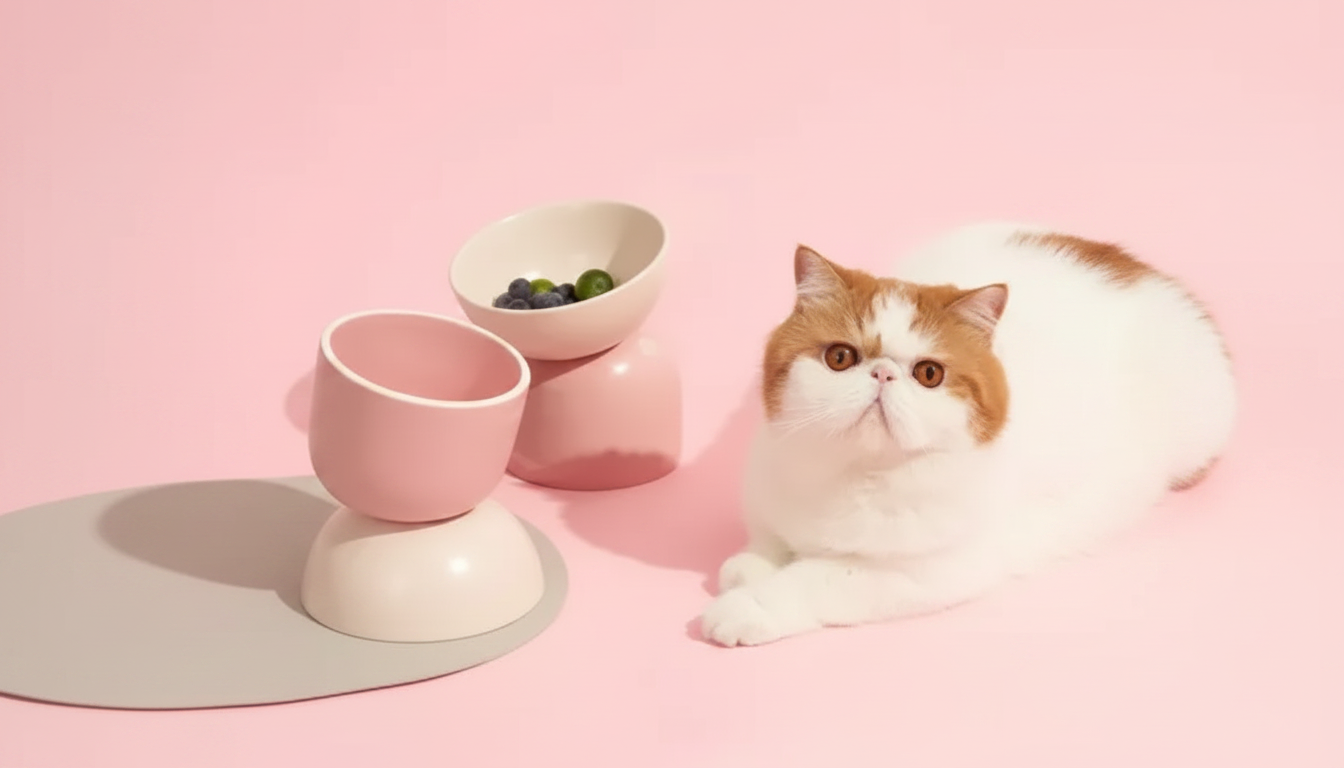
A raised, weighted ceramic bowl can make mealtimes calmer and cleaner—especially for cats and small dogs that nudge, paw, or push lightweight dishes around. A high-foot, anti-tip bowl is designed to support a more comfortable feeding posture, keep dishes steadier on slick floors, and make everyday cleanup less of a chore.
Why a raised bowl can make feeding more comfortable
Many pets eat more easily when the bowl meets them closer to chest height rather than forcing a deep crouch. While every cat and dog is different, a modest lift can feel more natural during longer meals or for pets that simply prefer a higher feeding position.
- Elevated height can reduce the need to hunch sharply, which may feel more comfortable for some pets—especially during slow, steady eating.
- A raised design helps limit scooping and pushing motions that send kibble outward, helping keep more food inside the rim and off the floor.
- For cats with sensitive whiskers, a wider opening paired with a stable base can reduce awkward bowl contact that triggers frantic “scooping.”
- A high-foot bowl keeps the rim farther from floor dust, hair, and tracked litter—helpful in high-shedding homes.
Anti-tip stability: what actually prevents sliding and flipping
“Anti-tip” isn’t a single feature—it’s a combination of weight, shape, and how the bowl meets the floor. If a pet is an enthusiastic eater (or a persistent bowl-pusher), stability matters as much as capacity.
- Heavier materials like ceramic naturally resist skidding compared with thin plastic or lightweight stainless bowls.
- A wide base and low center of gravity help prevent tip-overs when a pet leans in, paws at the food, or bumps the rim.
- Balanced construction matters: the bowl should sit flat without rocking, even on tile with grout lines.
- For aggressive eaters or slick floors, a small silicone mat can add traction and catch spills before they spread.
Ceramic benefits for hygiene, taste, and everyday cleanup
Ceramic bowls are popular for a reason: a well-glazed finish is easy to maintain and tends to feel “solid” in daily use. For households that serve wet food, broth toppers, or water that sits out all day, the surface quality of the bowl can make a noticeable difference.
- Properly glazed ceramic is non-porous, helping resist odor retention and staining from wet food, oils, or tinted broths.
- Ceramic doesn’t transfer metallic tastes that some pets seem to notice with certain metal bowls—often most obvious with water.
- A rigid bowl is straightforward to scrub because it won’t flex, and it’s less prone to the deep scratches that can develop in lower-grade plastics.
- Use gentle, non-abrasive sponges to help preserve the glaze, and rinse thoroughly to remove soap residue that can discourage drinking.
For additional safe-handling reminders (especially around wet food and dish hygiene), see the CDC’s pet food safety guidance.
Sizing and fit: choosing the right height and capacity for cats and small dogs
The “right” bowl height depends on how your pet stands and eats. The goal is a natural head and neck position—no deep hunching, and no stretching up on tiptoes. Capacity also matters: too small can lead to frequent refills and more mess; too large can encourage stale food or overly warm water.
- Choose a height that allows relaxed posture; your pet should be able to eat with a comfortable neck angle.
- Cats that eat quickly often do well with a wider bowl that spreads food out; small dogs may prefer a slightly deeper bowl that holds kibble in place.
- Factor in your floor type: slick tile amplifies sliding, while thick rugs can cause wobble if the base is narrow.
- In multi-pet homes, separate bowls for food and water can reduce crowding and keep water cleaner.
Quick fit guide for a high-foot ceramic bowl
| Pet type | Common feeding style | What to prioritize | Setup tip |
|---|---|---|---|
| Adult cat | Light nibbler / grazes | Wide rim, stable base | Place away from litter area to encourage drinking |
| Cat that paws or pushes the bowl | Messy eater | Anti-tip weight, wide base | Use a small mat to catch crumbs |
| Small dog (toy breeds) | Kibble-focused | Comfortable height, spill control | Keep water bowl slightly apart from food |
| Senior cat or small dog | Slower eater | Easy neck angle, non-slip stability | Raise on a flat surface; avoid uneven rugs |
How to introduce a raised bowl (and avoid picky-pet problems)
For broader feeding considerations, the AVMA’s pet nutrition resources offer a helpful overview.
Care and safety basics for daily use
Product options for a stable, raised setup
If your cat or small dog tends to bump, paw, or push dishes around, a raised, weighted ceramic bowl can help keep mealtimes steady. One practical choice is the High Foot Anti-Tip Ceramic Pet Bowl for Cats & Small Dogs, designed to reduce sliding and tipping during meals.
For homes that run dry in winter (which can affect both people and pets), a room humidifier may also improve comfort around the feeding area. The Rain Cloud Humidifier is an optional add-on for maintaining a more comfortable indoor environment.
FAQ
Is a raised bowl better for cats and small dogs?
A raised bowl can be more comfortable for some pets because it may reduce deep crouching and support a more natural head and neck position. Preferences vary, so the best sign is calmer eating, steadier posture, and fewer spills.
How often should ceramic pet bowls be cleaned?
Clean food bowls daily, especially when serving wet food, and rinse and refill water bowls frequently to keep water fresh. Replace any ceramic bowl that becomes chipped or cracked.
What makes a bowl truly anti-tip?
True anti-tip performance comes from a combination of weight, a wide base, and a low center of gravity so the bowl sits flat and resists tipping when bumped. On slippery floors, adding a silicone mat can further reduce sliding and catch minor spills.








Leave a comment