Electric Slimming Vibration Massage Gun: Safe Home Use
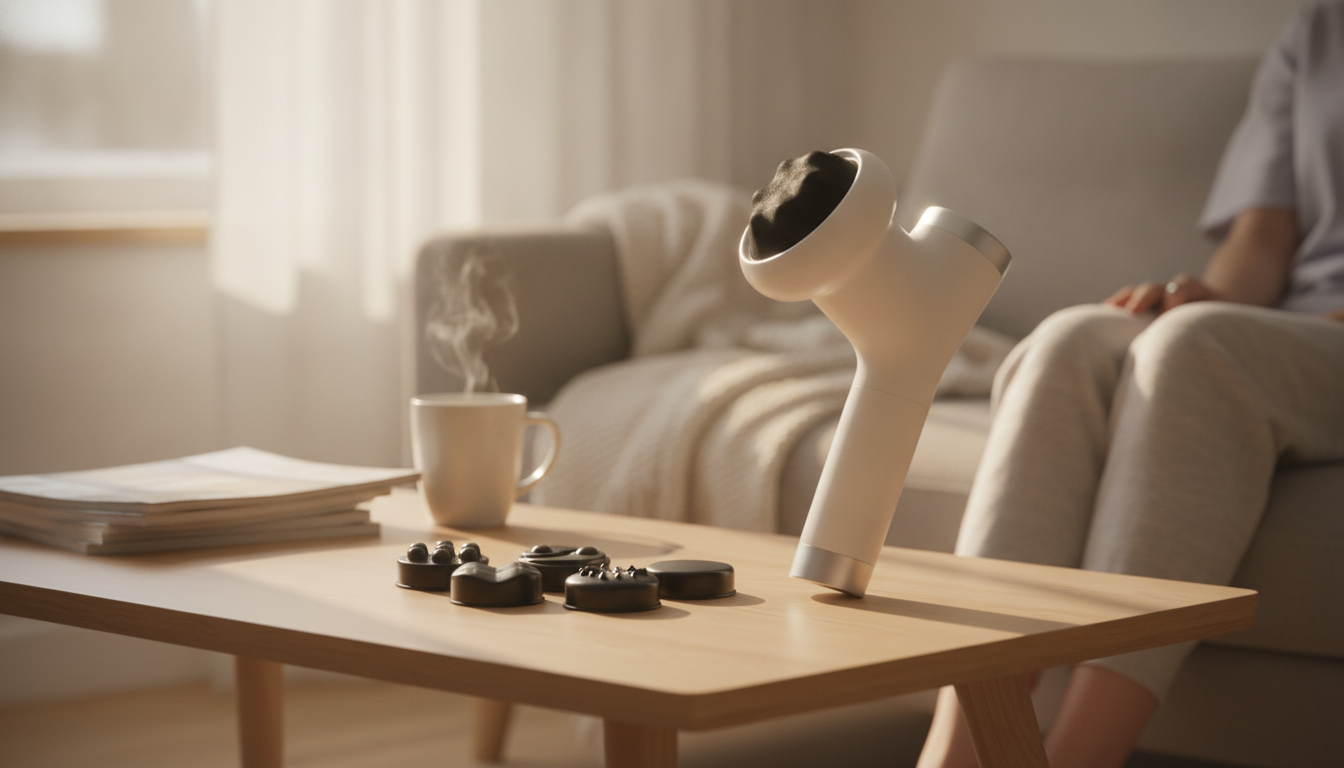
Electric Slimming Vibration Massage Gun: Everyday Muscle Relief and Body Massage at Home
A vibration massage gun can help loosen tight muscles, support post-workout recovery, and make at-home body massage more convenient. Used thoughtfully, it’s a practical way to address day-to-day stiffness from workouts, long walks, or desk time—without scheduling a full massage appointment. Below is a clear guide to how an electric “slimming” vibration massage gun works, where it fits into a routine, how to use it comfortably, and what to look for before buying. For more guidance, see Objective and subjective reduction of cellulite volume using a ….
What a Vibration Massage Gun Does
A vibration massage gun delivers rapid, repeated pulses of pressure into soft tissue. That rhythmic stimulation can reduce the feeling of tightness and stiffness and can feel especially helpful in larger muscle groups like the legs, glutes, and upper back. For further reading, see The Effect Of Percussive Therapy On Musculoskeletal … – PMC.
Many people use a massage gun in two key moments: before activity to help warm up muscles, and after activity to support relaxation and recovery. While research on percussive/vibration devices is still evolving, massage in general is commonly associated with short-term improvements in perceived soreness and comfort—often attributed to local circulation changes and reduced perceived muscle tension.
It’s also worth clarifying the “slimming” language that appears on some products. In most cases, it describes the sensation (a firm, toning-style massage) rather than guaranteed fat loss. For a balanced view of benefits and risks, see this overview from Cleveland Clinic and general massage guidance from Harvard Health Publishing.
Common Use Cases (And Where It Helps Most)
Massage guns are most comfortable and effective when used on “fleshy” muscle rather than bony or sensitive areas. Common routines include post-workout leg work, upper-back decompression after a desk day, and gentle relaxation before bed.
- Post-workout: calves, quads, hamstrings, glutes, upper back, and shoulders after training or long walks.
- Desk-day stiffness: traps, lats, and upper back to unwind from prolonged sitting.
- Leg fatigue: calves and feet (with lighter pressure) after standing for long periods.
- General relaxation: gentle passes over larger muscle groups to reduce tension before bed.
- Avoid: direct use on the front of the neck, spine, and sensitive areas; keep contact on muscle tissue.
Body areas, suggested intensity, and session length
| Area | Suggested intensity | Time per area | Notes |
|---|---|---|---|
| Calves | Low–Medium | 30–60 seconds | Keep the ankle relaxed; avoid pressing too hard near the Achilles. |
| Quads/Hamstrings | Medium | 45–90 seconds | Use slow passes; stay off the kneecap and back of the knee. |
| Glutes | Medium–High | 45–90 seconds | Good for runners; avoid bony hip points. |
| Upper back | Low–Medium | 30–60 seconds | Do not run directly over the spine; keep to muscle. |
| Forearms | Low | 20–40 seconds | Helpful for repetitive strain; stop if tingling occurs. |
How to Use It for a Comfortable At-Home Routine
The most common mistake is going too hard, too fast. A massage gun typically feels best with light-to-moderate pressure and steady movement—think “glide,” not “drill.”
- Start low and light: begin at the lowest speed and let the head float over the muscle before adding intensity.
- Use short sets: stay on a tender spot for 15–30 seconds, then move along the muscle; many people prefer a total session of 5–15 minutes.
- For warm-up: quicker, lighter passes for 30–60 seconds over the target muscle group.
- For recovery: slower passes with moderate pressure for 60–90 seconds per area.
- Pair smart basics: hydration and gentle stretching often make the results feel more noticeable the next day.
If discomfort ramps up instead of fading, reduce intensity, shorten the session, or stop and reassess the area. “More pressure” isn’t automatically “more effective.”
Safety Notes and Who Should Check With a Clinician First
Massage guns are generally intended for soft tissue work, not joints and not sensitive structures. Use extra care anywhere bones are close to the surface.
What to Look For Before Buying
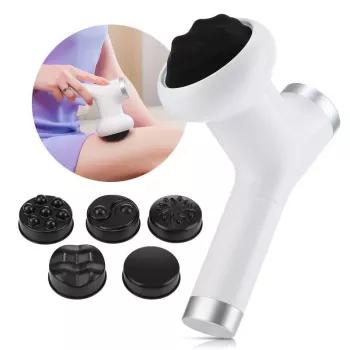
Electric Slimming Vibration Massage Gun: Quick Product Snapshot
At-a-glance details
| Item | Detail |
|---|---|
| Product | Electric Slimming Vibration Massage Gun |
| Price | 36.97 USD |
| Availability | In stock |
Simple Pairings for a More Complete Massage Routine
- For manual tissue work: the Gua Sha Scraping Massage Board Set can complement light vibration massage on larger areas when used gently and with skin-safe technique.
- For targeted self-care: alternate short massage-gun passes with slow stretching (especially calves, hip flexors, hamstrings, and chest) to reduce next-day stiffness.
- For relaxation: a warm shower first can help light pressure feel more comfortable, and using a room humidifier like the Rain Cloud Humidifier may improve nighttime comfort in dry environments.
FAQ
Can a vibration massage gun help with weight loss or fat reduction?
Massage can support relaxation and help you stay consistent with recovery, but it doesn’t directly burn significant calories or remove fat. For body-composition goals, results typically come from steady nutrition habits, regular activity, and adequate sleep.
How long should a massage gun be used on one spot?
Keep it brief: about 15–30 seconds on a tender spot, and roughly 30–90 seconds per area while continuing to move. Stop if pain increases, or if you notice numbness, tingling, or bruising.
Is it safe to use a massage gun every day?
Daily use is often fine when it’s light-to-moderate and you’re not aggravating soreness. If an area is very tender, give it a break, and check with a clinician first if you have medical conditions that raise risk (such as clotting issues, neuropathy, or implanted devices).







Leave a comment