Cozy Striped Fleece Pet Coat for Small Dogs & Cats
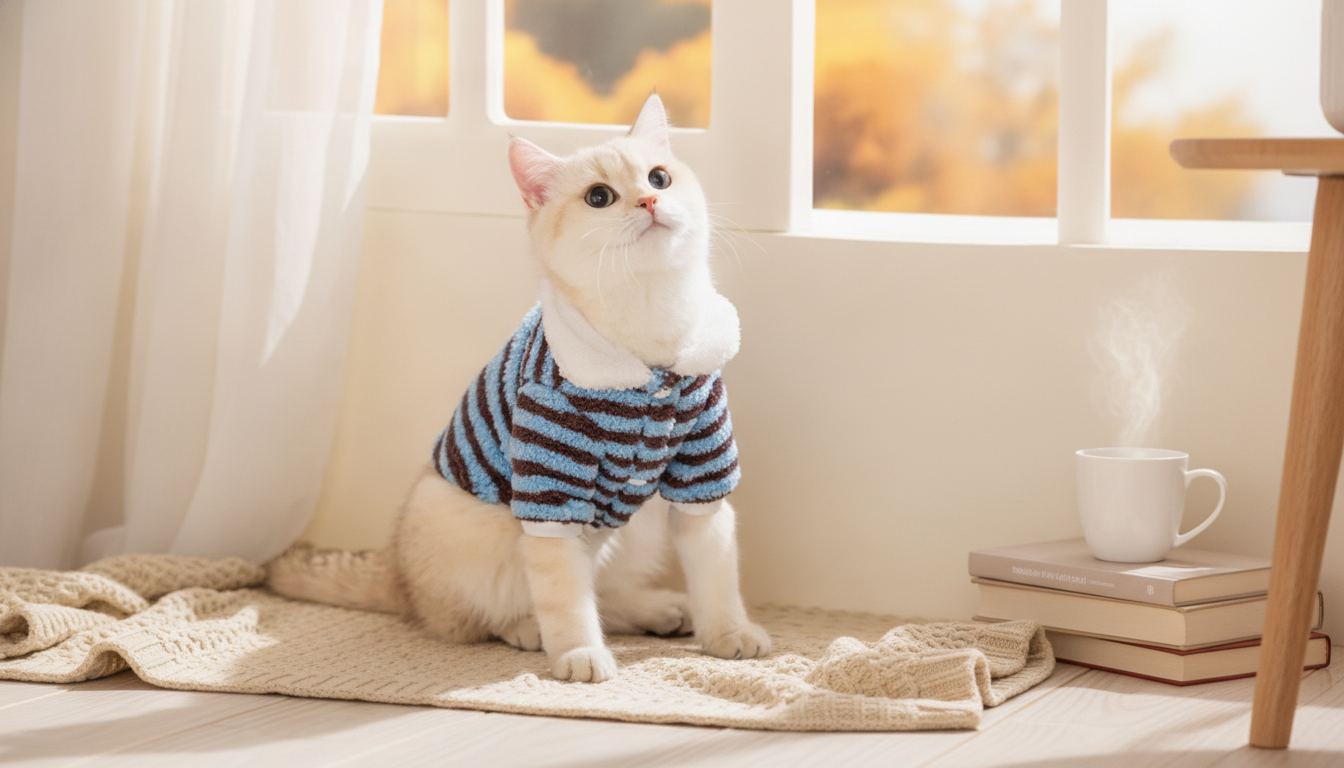
Cozy Fleece Striped Pet Coat for Small Dogs & Cats
Cold weather can make walks and even indoor lounging uncomfortable for small pets and short-haired companions. A soft fleece coat with an easy fit helps hold warmth, reduces shivers, and adds a light layer for daily routines—without restricting movement. If your pet hesitates at the door on brisk mornings or curls up tightly near a drafty window, a simple fleece layer can make everyday comfort feel much more manageable.
Why a Fleece Coat Helps in Cooler Weather
Small dogs and cats often lose body heat quickly, especially when they’re lean, short-haired, young, or senior. A fleece coat adds gentle insulation that can take the edge off chilly air and cold surfaces.
- Supports warmth for small dogs and cats that lose body heat quickly.
- Adds a comfortable layer for short-haired, senior, or low-body-fat pets.
- Can make outdoor potty breaks less stressful in chilly wind.
- Provides light coverage for indoor drafts (AC vents, tile floors, open windows).
For broader seasonal safety guidance—like limiting time outdoors in extreme cold and watching for signs of discomfort—these resources are helpful: American Veterinary Medical Association (AVMA) cold weather pet safety and ASPCA cold weather safety tips.
Cozy Fleece Striped Pet Coat: What Stands Out
The Cozy Fleece Striped Pet Coat for Small Dogs & Cats is designed to be an easy, everyday layer—soft, lightweight, and practical for quick routines.
- Soft fleece feel designed for comfort during wear.
- Striped look for a classic, easy-to-spot style.
- Sized for small dogs and cats; ideal for compact bodies.
- Simple layering piece that can be used for quick outings or indoor warmth.
For homes that get extra dry in winter (which can make indoor air feel colder), pairing cozy layers with steady humidity can help overall comfort. The Rain Cloud Humidifier is an in-stock option that can support a more comfortable indoor environment during heater season.
Fit and Sizing: Getting a Comfortable Wear
Warmth only helps when the coat fits correctly. Too tight can restrict breathing or rub under the arms; too loose can twist, bunch up, or trip your pet during a walk. For most pets, chest/girth is the deciding measurement.
- Measure chest/girth at the widest part behind the front legs; this is usually the most important number.
- Measure back length from the base of the neck to the base of the tail (not to the tip).
- If between sizes, prioritize chest comfort to avoid rubbing and restricted breathing.
- Check mobility: shoulders should move freely; the coat should not bunch at the armpits.
- For cats, ensure the coat does not interfere with litter box posture or grooming.
Quick Measuring Guide for Small Pets
| Measurement | How to measure | Fit check |
|---|---|---|
| Chest (girth) | Wrap tape around the widest part of the ribcage behind front legs | Two fingers should slide under the tape; coat should not compress fur |
| Back length | Base of neck to base of tail along the spine | Coat ends before tail base and doesn’t ride up when walking |
| Neck | Around the base of the neck where a collar sits | No choking; allows normal swallowing and head turns |
Comfort and Safety Checks Before Every Outing
A coat should make your pet more comfortable, not less. A quick “pre-walk check” takes seconds and helps prevent common issues like overheating, rubbing, or awkward harness placement.
- Avoid overheating: remove the coat indoors if the pet starts panting, restlessly pacing, or seeking cool surfaces.
- Prevent chafing: inspect under the front legs and around the neck after the first few wears.
- Leash and harness compatibility: confirm the coat doesn’t force the harness to sit too high on the neck.
- Supervise initial use: especially for cats or pets new to clothing, to prevent chewing or snagging.
If your dog is outside longer in winter conditions, it’s also worth reviewing cold-weather precautions from the American Kennel Club (AKC) winter safety tips—particularly around exposure time and recognizing cold stress.
When This Style Works Best
Fleece is ideal when you want warmth without weight. This kind of coat shines in everyday scenarios where your pet needs a little extra insulation but still wants to move normally.
- Short walks, quick potty breaks, and errands in cool weather.
- Indoor lounging for pets that seek blankets or shiver near drafts.
- Travel days when temperature changes between car, outdoors, and indoor spaces.
- Layering under a rain shell on damp days (when safe and not too bulky).
For pets that dislike bulky outerwear, a light fleece layer can feel more “natural,” especially once they associate it with warm, quick outings and a comfy return indoors.
Care Tips for a Longer-Lasting Coat
Keeping fleece clean and soft helps it stay cozy and comfortable against the skin. A little routine care also helps reduce odors and keeps the coat ready for last-minute chilly mornings.
Product Details and Availability
- Product: Cozy Fleece Striped Pet Coat for Small Dogs & Cats
- Price: $9.82 (USD)
- Availability: In stock
- Why it’s worth considering: a budget-friendly extra layer for small companions who get chilly during everyday routines.
FAQ
How do the right size and fit get verified after putting the coat on?
Confirm the chest isn’t tight, the shoulders move freely, and the fabric doesn’t rub under the front legs. Your pet should be able to walk, sit, and lie down normally without the coat twisting or bunching.
Is a fleece coat suitable for cats?
Yes for many cats, especially for indoor comfort or short outings in cool weather. Make sure your cat can move freely and that the coat doesn’t interfere with grooming or litter box posture.
When should a pet coat be removed to prevent overheating?
Remove the coat if you notice panting, lethargy, restlessness, or your pet seeking cool surfaces. Indoors, many pets don’t need a coat once they’ve warmed up and the room is comfortable.









Leave a comment