Cooling Popsicle Chew Toy for Dogs: Safe Summer Relief
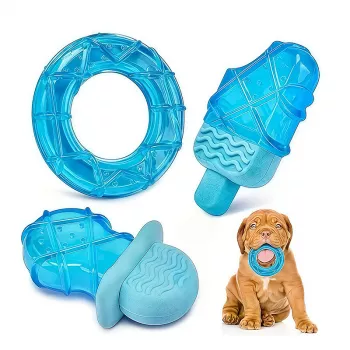
Dog Cooling Popsicle Chew Toy: Cool-Down Play for Hot Days
Hot weather can make outdoor walks and backyard play feel intense for dogs, especially during peak sun hours. A cooling chew toy shaped like a popsicle offers a simple way to add enrichment while supporting comfortable, supervised cool-down time—whether after exercise, during crate breaks, or as a calming indoor activity. Used correctly, it can become a reliable “reset button” in your summer routine: drink water, settle down, chew calmly, then move on with the day.
What a cooling popsicle chew toy does
A cooling popsicle chew toy is designed to combine the satisfaction of chewing with a cooler surface that can feel soothing during warm-weather downtime. It’s not a medical device and it won’t replace shade, hydration, or safe scheduling, but it can help a dog transition from “amped up” to relaxed when you want lower-intensity engagement.
- Combines chew satisfaction with a chilled surface to help take the edge off heat during supervised play
- Encourages slower, calmer engagement than high-intensity games when temperatures are high
- Can be offered as a post-walk decompression routine to reduce restlessness and panting from excitement
- Provides an option for dogs that enjoy chewing but need safer, more structured enrichment than random household items
If your dog tends to pace, bark, or “ask for more” after a walk, a brief cooling chew session can function like a predictable off-switch—especially when paired with a quiet spot, a fan, and a consistent cue such as “settle.”
Best times to offer it
Timing matters. Cooling enrichment works best when your dog is warm from normal activity but not in distress, and when you can actively supervise. Keep it part of a routine rather than an all-day chew item.
- After a walk or yard session: use for a short, supervised cool-down window before normal play resumes
- Midday indoor enrichment: a low-mess activity when outdoor pavement and air temperatures are highest
- Crate or quiet-time support: helps some dogs settle when paired with a consistent routine
- Travel and errands: can be offered before leaving to encourage calm (only if the dog is supervised and not left alone with chew items)
Quick guide: when to use cooling enrichment
| Situation | Goal | How long | Notes |
|---|---|---|---|
| Post-walk | Cool-down and settle | 10–20 minutes | Offer water first; avoid right after heavy panting if the dog gulps. |
| Hot afternoon indoors | Low-energy enrichment | 15–30 minutes | Use on an easy-clean surface; supervise chewing. |
| Pre-crate routine | Calm transition | 5–15 minutes | Pick up once the dog is drowsy to prevent over-chewing. |
| After training | Reward + relaxation | 5–10 minutes | Works well as a “session end” signal. |
How to use it safely and comfortably
The safest cooling chew sessions are short, supervised, and matched to your dog’s chewing style. Chew toys are enrichment tools—not “set it and forget it” items—especially for dogs who shred, swallow fragments, or get overstimulated.
- Supervision matters: stop use if pieces begin to break off or the dog tries to shred rather than chew
- Keep sessions short: cooling items are best as brief enrichment, not extended chewing marathons
- Check the dog’s chewing style: power chewers may need sturdier options or shorter sessions
- Watch for signs of overheating: excessive panting, drooling, weakness, bright-red gums, or disorientation require immediate cooling steps and veterinary guidance
- Avoid extreme cold exposure: use chilled or cool—not painfully frozen—items if the dog is sensitive to cold or has dental issues
For hot-weather safety basics and what to do when temperatures spike, review guidance from the American Veterinary Medical Association (AVMA). For heatstroke symptoms and prevention, the American Kennel Club (AKC) has a clear overview of warning signs that require urgent action.
Sizing, chewing style, and what to look for
A cooling popsicle toy should be easy for your dog to hold, comfortable to mouth, and appropriate for the intensity of chewing. Choosing the right size and texture helps prevent frantic gnawing and reduces the chance of accidental swallowing.
Care, cleaning, and storage
When not to use a cooling chew toy
Product spotlight: Dog Cooling Popsicle Chew Toy
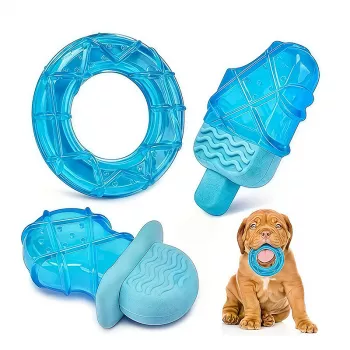
For a simple warm-weather routine upgrade, the Dog Cooling Popsicle Chew Toy is a playful popsicle-style chew designed for cooling enrichment during downtime. It’s best used in short, supervised sessions after walks, training, or outdoor play, then picked up once your dog has settled.
Dog Cooling Popsicle Chew Toy at a glance
| Item | Details |
|---|---|
| Product | Dog Cooling Popsicle Chew Toy |
| Price | $4.51 USD |
| Availability | In stock |
| Product page | https://dailygoodsplaza.shop/dog-cooling-popsicle-chew-toy/ |
Optional add-on for indoor comfort
If hot days also mean running the A/C more (which can dry out indoor air), a room humidifier can make indoor downtime feel more comfortable for people and pets alike. The Rain Cloud Humidifier is an easy way to support a calmer indoor environment while you focus on shade, hydration, and low-energy activities.
FAQ
Can a cooling chew toy help prevent overheating?
It can support comfort during supervised cool-down time, but it’s not a substitute for shade, fresh water, avoiding peak heat, and monitoring closely. If you notice heavy or worsening panting, weakness, disorientation, vomiting, or bright-red gums, stop activity immediately and contact a veterinarian.
How long should a dog use a cooling chew toy at one time?
Most dogs do best with short, supervised sessions around 10–20 minutes, adjusted for chewing intensity and sensitivity. End the session if your dog becomes frantic, starts damaging the toy, or seems uncomfortable.
Is it okay to give a frozen cooling toy to a dog with sensitive teeth?
For dogs with sensitive teeth, use a chilled (not rock-hard frozen) toy and keep sessions brief. If your dog has known dental disease, oral pain, or recent dental work, check with your veterinarian before offering cold chew items.








Leave a comment