Adjustable Breakaway Cat Collar: Geometric & Bell
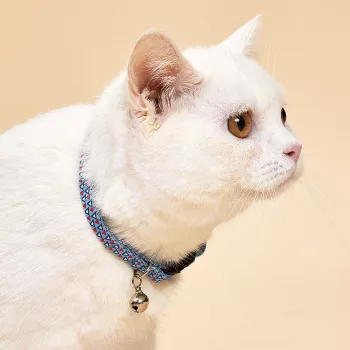
Colorful Geometric Cat Collar with Bell – Adjustable & Breakaway
A cat collar should be comfortable, easy to fit, and designed with safety in mind—especially for curious cats that climb, squeeze, and explore. This colorful geometric collar pairs an adjustable fit with a breakaway buckle and a small bell, offering everyday wear that stands out while helping reduce the chance of snag-related accidents.
If you’re looking for a lightweight, no-fuss option for daily identification or easy pet locating, the Colorful Geometric Cat Collar with Bell – Adjustable & Breakaway is built around the essentials: simple adjustability, a safety-first closure, and a bright pattern that’s easy to spot at a glance.
What Makes This Collar a Practical Everyday Choice
Daily wear works best when a collar stays out of the way—no heavy hardware, no bulky add-ons, and no complicated sizing. This collar keeps things straightforward while adding a bit of personality.
- Geometric, colorful design: Adds visibility and style without weighing your cat down with extra accessories.
- Adjustable strap: Helps you dial in a snug-but-comfortable fit as cats grow, gain/lose weight, or fluff their seasonal coat.
- Breakaway buckle: Designed to release under tension to help reduce snag risk around furniture, fencing, or branches.
- Small bell: Helps you track your cat around the house and can provide a gentle audible warning during supervised outdoor time.
- Lightweight profile: Supports all-day wear for most cats once properly fitted and acclimated.
Safety Features: Breakaway Buckle and Bell Considerations
For many cats, a breakaway collar is a sensible baseline because it’s intended to open if the collar catches on an object. The ASPCA offers general guidance on collar safety and identification in their resource on cat collars and identification.
Before regular use, it’s worth doing a quick at-home check. Test the buckle release with a firm pull using two hands: it should release without excessive force, but it shouldn’t pop open during normal scratching or head shaking. If the bell seems to annoy your cat, try short, calm acclimation sessions and confirm the collar isn’t too loose (bells swing and clang more when the collar shifts).
Quick Safety Checks Before Daily Wear
| Check | What to look for | Why it matters |
|---|---|---|
| Fit | Two-finger comfort rule; not tight, not sliding over the head | Reduces rubbing and helps prevent slipping off |
| Buckle release | Releases with firm tension; stays closed during normal activity | Helps reduce snag hazards while remaining reliable |
| Bell placement | Bell hangs centered; not digging into throat | Improves comfort and reduces irritation |
| Skin/coat | No redness, hair loss, or dampness under collar | Early sign of chafing or moisture trapping |
Getting the Fit Right (Adjustable Sizing Guide)
A good collar fit is secure, comfortable, and consistent—meaning it doesn’t slide into awkward positions during play or grooming. Use these steps to set the sizing and keep it dialed in over time.
- Aim for “secure, not restrictive”: Your cat should eat, groom, and jump normally without the collar shifting dramatically.
- Use the two-finger rule: Slide two fingers between the collar and your cat’s neck. If you can’t, it’s too tight; if the collar rotates freely and rides up, it may be too loose.
- Re-check after 24–48 hours: Straps can settle, and coats can fluff; a small tweak often improves comfort.
- Check weekly for kittens: Young cats can outgrow a fit quickly, and a once-comfortable size can become too snug.
- Remove periodically: Take the collar off for grooming, then inspect the neck area for irritation before re-fitting.
If your cat has long fur, use your fingers to part the coat and confirm you’re fitting to the neck—not just compressing fluff. A collar that feels “fine” over thick fur can be tighter than it seems once the coat settles.
Comfort and Durability for Daily Use
Comfort is mostly about details: smooth edges, secure joins, and a fit that doesn’t migrate around the neck. A lightweight collar can still cause issues if it’s constantly sliding or if hardware presses into one spot.
- Look for smooth contact points: Any stiff seams or rough edges are more likely to rub during grooming and play.
- If scratching is nonstop, start with fit: Many “collar problems” are actually sizing problems. Adjust first, then try gradual wear time (15–30 minutes, increasing daily).
- Keep it clean: Wipe with a damp cloth, then allow it to fully dry before putting it back on to help prevent moisture-related irritation.
- Replace when needed: If the buckle becomes unreliable, the strap frays, or the bell attachment loosens, swap it out rather than trying to “make it work.”
For households that use collars primarily for ID, pairing a collar with permanent identification like microchipping can add peace of mind. International Cat Care provides general guidance on microchipping and identification.
When a Bell Helps—and When to Skip It
Care Tips and Routine Checks
Product Snapshot
More In-Stock Finds
FAQ
How tight should a breakaway cat collar be?
Use the two-finger rule—snug enough that it won’t slip over the head, loose enough for two fingers to fit comfortably under the collar. Re-check fit after a day and then regularly, especially for kittens.
Is a bell safe for cats to wear all day?
Many cats tolerate a small bell well, but watch for stress or irritation. If your cat seems bothered by the sound or scratches constantly, adjust the fit and consider removing or switching away from a bell.
Can a leash be attached to a breakaway collar?
Typically no—breakaway collars are meant to release under tension, so they’re not reliable for walking. Use a properly fitted cat harness for leash walking.









Leave a comment