Ultralight Quick-Remove Rear Fender for Wet Rides
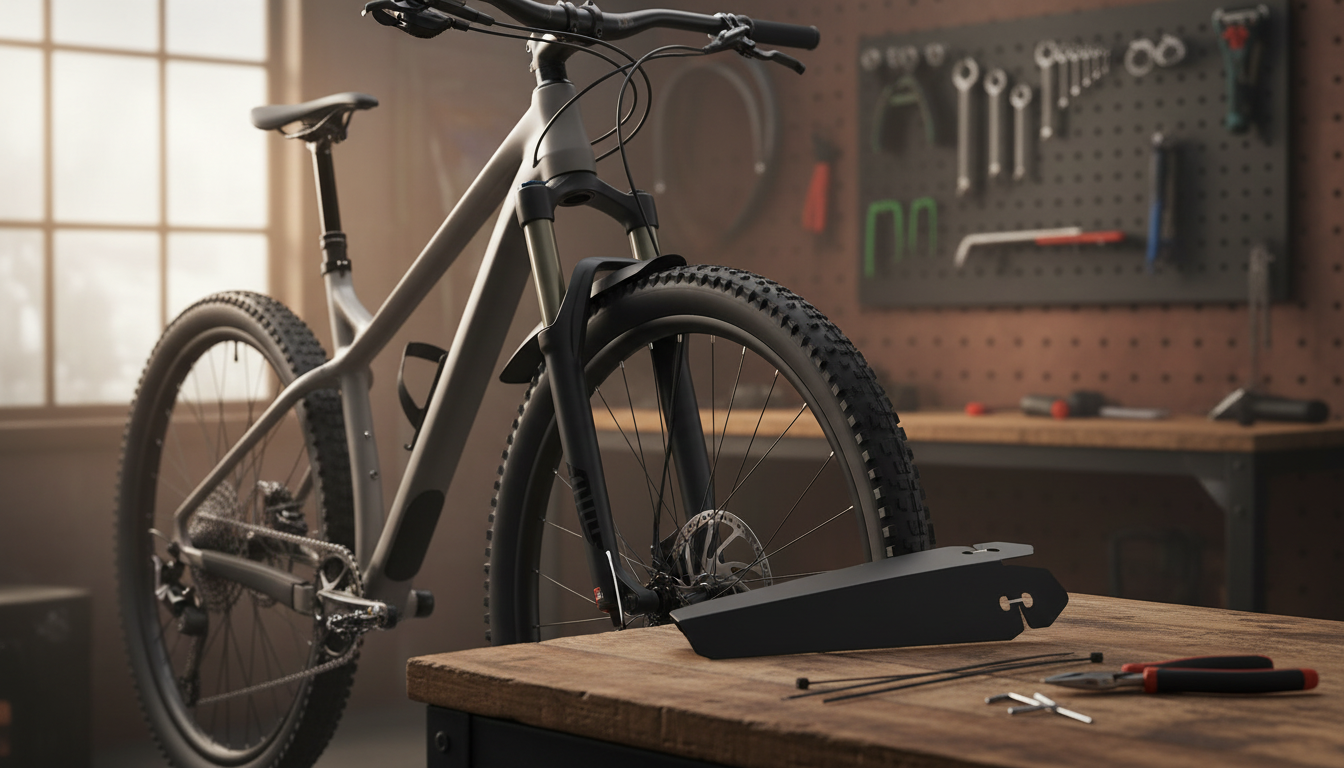
Stay Cleaner on Wet Rides with an Ultralight Quick‑Remove Rear Fender
Road spray can soak clothing, coat drivetrain parts, and turn a short commute into a messy cleanup. An ultralight, quick-remove rear fender adds splash protection when the pavement is wet, then comes off fast when conditions dry out—ideal for riders who want flexibility without a bulky full-time setup. For more guidance, see PVC Bicycle Tire Fenders For Mountain & Road Bikes.
What an Ultralight Quick‑Remove Rear Fender Does
A compact rear mudguard is built to intercept the “rooster tail” that shoots off the back tire. That spray is a mix of water, grit, and oily road film—exactly what ends up on your jacket, saddle, and anything strapped to the bike. For further reading, see Best bike pannier bags and pannier racks 2026.
- Reduces the rooster tail of water and grit thrown by the rear wheel onto the rider’s back and saddle area
- Helps keep shorts, jacket, backpack, and seatpost cleaner on damp roads and light trails
- Limits grime that can migrate to brake surfaces and drivetrain parts, cutting down on frequent wipe-downs
- Quick-remove design supports “install for the ride, remove for storage” routines for commuters and fitness riders
Who Benefits Most
- Commuters: arrive drier and cleaner when streets are wet or puddled
- Fitness riders: add protection during shoulder seasons without committing to full fenders
- Students and city riders: easier to stash or remove to reduce theft risk or simplify bike racks
- Weekend riders: quick swap based on the forecast
Key Features to Look For in a Quick‑Remove Rear Mudguard
Not all clip-on rear fenders behave the same on rough pavement or after a few wet rides. These features tend to matter most for real-world use:
- Low weight: minimizes handling changes and keeps the bike feeling lively
- Secure mounting: should resist rotation or slipping when hitting bumps and rough pavement
- Adequate coverage: longer, well-shaped fenders generally block more spray
- Clearance compatibility: must fit the available space between tire and frame/seatpost area
- Simple on/off mechanism: tool-free or minimal tools, with repeatable alignment
For additional guidance on fender styles and coverage, REI’s overview is a solid reference: REI Co-op — Bike Fenders: How to Choose. For general tune-up and cleaning best practices after wet rides, Park Tool’s repair resources are useful: Park Tool — Bike Maintenance and Repair Help.
Ultralight Quick‑Remove Bike Rear Fender Mudguard: Highlights
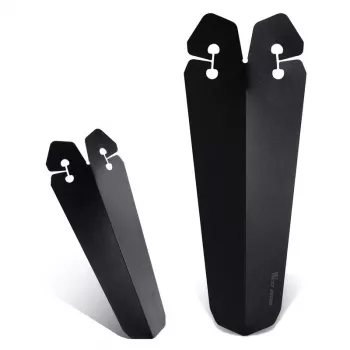
If the goal is simple splash control without the look and commitment of full-length fenders, the Ultralight Quick-Remove Bike Rear Fender Mudguard is designed for quick installation and easy removal.
- Designed to add rear spray protection while keeping weight and bulk to a minimum
- Quick-remove approach suits riders who don’t want permanent full-length fenders
- Practical for wet commutes, post-rain roads, and mixed conditions where puddles are common
- Budget-friendly option for adding basic rear splash control
For riders who dry gear indoors after wet rides, steady room humidity can also make a noticeable comfort difference—especially in heated winter apartments. A simple add-on like the Rain Cloud Humidifier can help keep the air from feeling overly dry while jackets and gloves air out.
Fit and Compatibility Checklist Before Buying
Quick-remove rear fenders are usually straightforward, but fit issues almost always come down to tire size, clearance, and where the mount clamps or braces.
- Tire width: confirm the fender can cover the tire size in use (wider tires typically need wider coverage)
- Frame style: ensure the mounting point matches the bike (seatpost, seat stays, or frame bridge-style mounts)
- Brake type and clearance: disc and rim setups can change available space; tight clearances limit fender size
- Saddle bag/seat pack: check for interference if using a large saddle bag
- Wheel size: confirm compatibility with common wheel diameters if the product lists it
| Bike setup | What to check | Why it matters |
|---|---|---|
| Road bike with tight clearance | Space between tire and frame/seat tube area | Prevents rubbing and noise when the wheel flexes |
| Gravel/commuter bike | Tire width and fender coverage shape | Wider tires throw more spray and need more coverage |
| Bike with a large saddle bag | Distance from saddle rails/seat bag to fender | Avoids contact during bumps and when seated |
| Wet-weather commuting | Mount stability and alignment | Stops the fender from rotating into the tire on rough pavement |
Installation and Removal Tips for Better Performance
A quick-remove design works best when it’s treated like any other contact point on the bike: clean, aligned, and re-checked after it settles.
Care, Storage, and Riding in the Rain
When a Rear Mudguard Is Enough—and When It Isn’t
FAQ
Will a quick-remove rear fender fit most bikes?
Many do, but fit depends on wheel and tire size, frame clearance, and the mounting method (often a seatpost or seat-stay attachment). Measure the available space around the rear tire and confirm the fender’s stated tire-width coverage before buying.
Does a rear fender stop all water spray in the rain?
No—rear fenders greatly reduce the spray that hits your back and saddle area, but some water still reaches you in heavy rain or deep puddles. Front wheel spray can also soak shoes and lower legs, so very wet conditions may call for front coverage too.
How do you keep a clip-on fender from slipping or rotating?
Start by cleaning the mounting surface, then tighten the mount securely without over-torquing. Re-check alignment after the first ride, and consider adding protective/grip tape where appropriate to increase friction and protect the finish.









Leave a comment