Shiatsu Foot & Calf Massager with 42°C Heat Relief
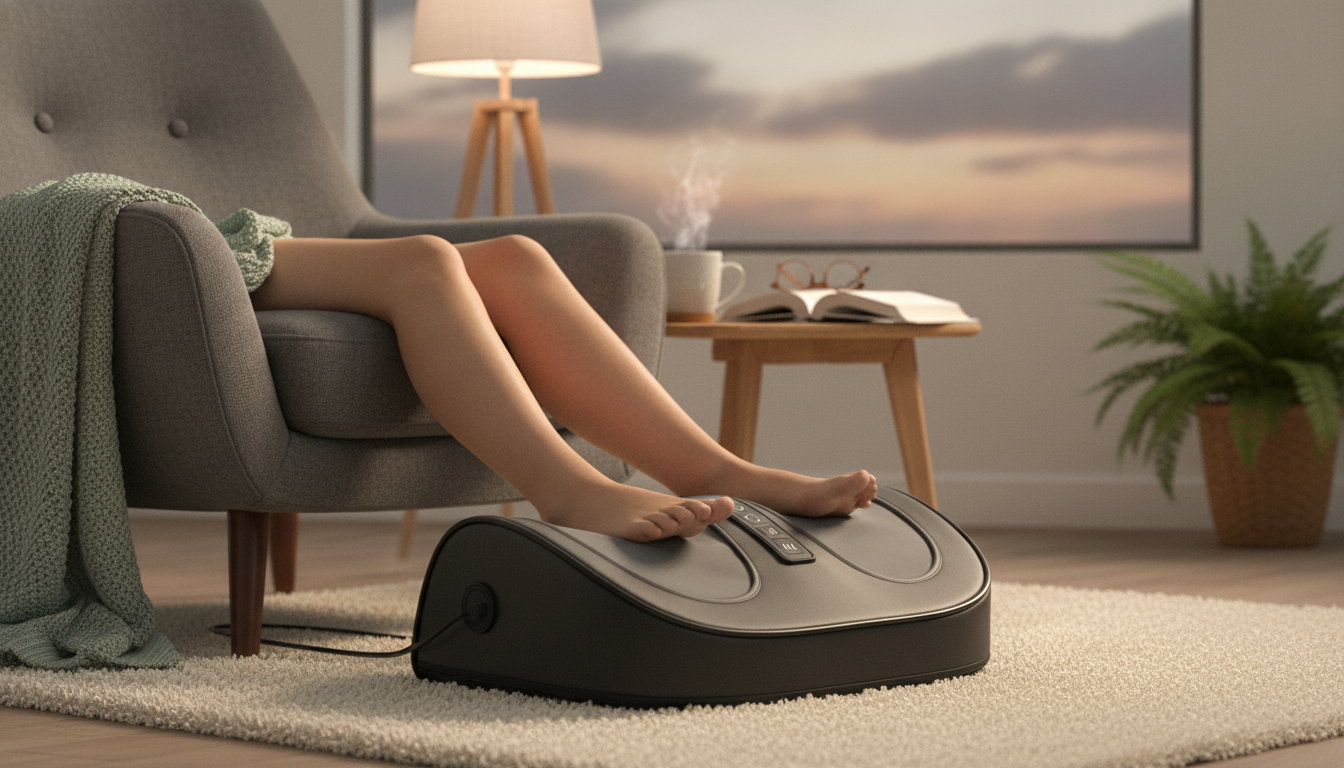
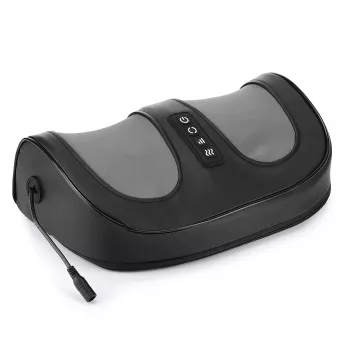
Electric Foot and Calf Massager with Shiatsu Kneading and 42℃ Hot Compress
Long days on the feet, desk-bound routines, and workouts can leave calves tight and feet sore. This electric foot and calf massager combines shiatsu-style kneading with a steady 42℃ hot compress to help relax tired muscles, ease stiffness, and make recovery feel easier at home. It’s a simple way to add a consistent wind-down ritual—especially when your lower legs feel “heavy” by the end of the day.
When foot discomfort has multiple causes, a little common-sense self-care goes a long way. For general background on warmth and when it can feel soothing, see Cleveland Clinic’s overview of heat therapy. For broader foot-pain basics and self-care reminders, Mayo Clinic’s foot pain guide is a helpful reference.
What It Helps With
- Daily tension relief for feet, arches, heels, and calves after standing or walking
- Post-workout recovery support by loosening tight calf muscles
- Comfort during colder seasons when warmth helps reduce the “tight” feeling
- End-of-day relaxation for people who sit for long hours and feel heavy legs
Many people notice that calves and feet don’t just get sore—they get “guarded.” That’s when you unconsciously tense up around a tender spot. A steady routine with moderate pressure can feel more helpful than occasional, overly intense sessions.
Shiatsu Kneading + 42℃ Heat: How the Sensations Work Together
- Kneading action targets common tight spots along the sole and calf, similar to pressure-and-release massage patterns
- Heat at 42℃ provides a warm compress feel that can make muscles feel more pliable and comfortable during massage
- Using heat and kneading together often feels more soothing than either mode alone, especially for end-of-day stiffness
- Best results typically come from consistent short sessions rather than long, high-intensity sessions
Quick comparison: massage with heat vs. without heat
| Mode | How it feels | When it’s most useful |
|---|---|---|
| Kneading only | Deeper, more direct pressure | Targeting specific tight areas; warmer rooms |
| Heat only | Gentle warming, light comfort | Sensitive days; winding down before bed |
| Kneading + 42℃ heat | Warmer and more relaxing overall | After long standing, walking, or workouts; cold weather |
If you’ve ever tried massaging tight calves with cold feet, you’ve probably felt how quickly you tense up. Warmth helps take the edge off so you can actually relax into the kneading instead of bracing against it.
Key Features to Look For in Daily Use
- Calf coverage: the massager should comfortably fit around the lower leg without pinching
- Pressure comfort: a good kneading pattern should feel effective without causing sharp pain
- Heat consistency: steady warmth matters more than extreme temperature spikes
- Simple controls: easy-to-reach settings help fine-tune comfort mid-session
- Stable base: a non-slip feel helps keep the unit planted while kneading
For day-to-day use, comfort and consistency beat “max intensity.” A device that feels good enough to use regularly tends to deliver a better overall experience than one that’s powerful but intimidating.
How to Use It for Better Results
- Start with low intensity for the first 3–5 minutes to let legs acclimate to pressure
- Use 10–15 minute sessions for most people; stop sooner if numbness or sharp discomfort appears
- For tight calves: keep the knee slightly bent and relax the ankle to reduce guarding
- For sensitive feet: wear thin socks to soften contact while still keeping good grip
- After the session, drink water and do gentle ankle circles or calf stretches for 30–60 seconds
Sample routines
| Goal | Suggested setting | Time |
|---|---|---|
| End-of-day relaxation | Heat + gentle kneading | 10 minutes |
| Post-workout calves | Moderate kneading + heat | 12–15 minutes |
| Morning stiffness | Heat first, then light kneading | 8–10 minutes |
To make the routine stick, pair it with something you already do—like after a shower, while watching a short episode, or right before putting your feet up for the night.
Who It’s Great For (and When to Be Cautious)
Massage can be a supportive wellness habit, but it isn’t a substitute for medical evaluation when pain is persistent, severe, or linked with swelling, redness, or sudden changes. For a general overview of massage therapy and what it can (and can’t) do, the NCCIH massage therapy guide is a balanced resource.
Care, Cleaning, and Placement Tips
Product Options Available Now
- Electric Foot and Calf Massager with Shiatsu Kneading and 42℃ Hot Compress (USD 46.97) for steady kneading plus warm compress comfort.
- Gua Sha Scraping Massage Board Set (USD 3.97) to complement rest days with light, targeted self-massage techniques.
- Rain Cloud Humidifier (USD 51.51) to help create a more relaxing, spa-like environment during your evening wind-down.
At-a-glance details
| Item | What it offers |
|---|---|
| Shiatsu kneading | Rhythmic pressure to help loosen tight feet and calves |
| 42℃ hot compress | Steady warmth for added comfort during sessions |
| Home-friendly use | Designed for convenient, regular routines |
FAQ
Is 42℃ heat safe for regular use?
For many users, 42℃ feels like a comfortable warm compress rather than “hot.” Start with shorter sessions, check your skin comfort during use, and use extra caution if you have reduced sensation or circulation concerns.
How long should a foot and calf massage session be?
Most people do well with 10–15 minutes per session. Stop sooner if you feel sharp pain, numbness, or irritation, and prioritize consistent moderate sessions over longer, more intense ones.
Can it be used every day?
Daily use is fine for many people as long as it remains comfortable. Keep sessions moderate, vary intensity when needed, and take a rest day if you notice increasing soreness or tenderness.








Leave a comment