Self-Cleaning Cat Litter Scoop: Less Mess, Faster Scoops
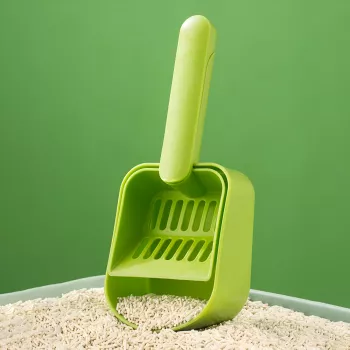
Plastic Cat Litter Scoop with Self-Cleaning Base: A Cleaner Way to Handle Daily Scooping
Daily scooping is one of the simplest ways to keep odors down and help cats feel comfortable using their box. The challenge is what happens between cleanings: drips on the floor, crumbs stuck to the scoop, and that awkward moment when there’s nowhere hygienic to set the tool. A plastic cat litter scoop with a self-cleaning base is built for that in-between time—reducing mess, keeping the scoop contained, and making quick maintenance feel less like a chore in busy homes, small spaces, and multi-cat setups. For more guidance, see Best Cat Litter Boxes.
What a Self-Cleaning Base Scoop Does Differently
A standard scoop removes waste. A self-cleaning base system adds two practical upgrades: it helps release stuck-on litter and it provides a dedicated storage spot that contains residue. For further reading, see Litter Boxes – Cat Nutrition.
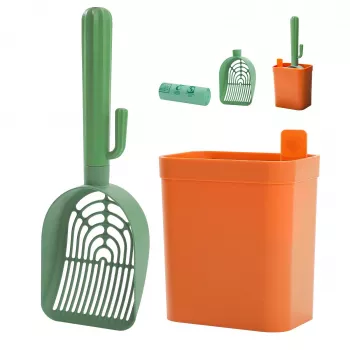
- Combines a slotted plastic scoop with a base that helps remove stuck litter and keeps residue contained.
- Keeps the scoop upright and stored in one spot to reduce drips and scattered granules.
- Supports faster, more consistent daily cleanups that can help reduce odor buildup.
Because the base is designed to “catch” what falls off, it can help keep your floor cleaner—especially when you scoop right after clumps form or when dust collects on the scoop surface.
Key Benefits for Everyday Litter Box Care
The biggest win is consistency: when the tool is easy to grab, use, and put away, daily scooping happens more reliably. That matters for odor control and for many cats’ litter box preferences.
- Cleaner storage: the base helps catch clumps, dust, and small crumbs that would otherwise land on the floor.
- Less touching and fewer re-scoops: the base can help knock off litter that clings to the scoop surface.
- Quicker routines: a dedicated stand means less searching and fewer extra steps.
- Better hygiene habits: encourages regular scooping when the tool is easy to grab, use, and put away.
For general cat care guidance (including hygiene routines that support wellbeing), the American Veterinary Medical Association (AVMA) is a helpful resource. For litter box best practices, Cornell’s overview of litter box management is also worth reading.
How to Use It (Fast Daily Routine)
A self-cleaning base works best with a short, repeatable routine that takes just a few minutes.
- Place the base near the litter box on a washable mat or easy-to-wipe surface.
- Sift slowly through the litter to let clean litter fall back through the slots.
- Tap or slide the scoop through the self-cleaning base to release clumps stuck to the scoop.
- Dispose of waste in a sealed bag or lidded bin, then return the scoop to the base.
- Wipe the base area as needed to prevent dust and residue buildup.
If you’re in a small apartment or you keep the box in a bathroom or laundry room, setting the base on a thin waterproof mat can make wipe-downs faster and help prevent gritty residue from spreading.
Sizing, Slot Spacing, and Litter Compatibility
Slot spacing (how wide the gaps are) can make the difference between efficient sifting and wasted litter. Think about your litter type first, then your litter box depth and where the box sits.
- Fine clumping litter: benefits from tighter slot spacing to reduce clean litter loss.
- Pellet or larger-grain litter: needs wider slots so clean pieces fall through easily.
- Deeper boxes: a slightly longer handle can make it easier to reach corners without scraping knuckles.
- If litter is consistently sticking: consider changing to lower-dust litter or letting clumps firm up briefly before scooping.
Quick Match Guide: Scoop Features vs. Common Needs
| Household need | Helpful scoop/base feature | Why it helps |
|---|---|---|
| Small apartment or tight litter corner | Stable base storage | Reduces drips and keeps the tool contained |
| Multi-cat home | Faster sifting + easy release | Speeds up frequent cleanings and reduces repeat passes |
| Low-dust preference | Easy-to-wipe plastic + contained base | Helps manage residue around the box |
| Pellet-style litter | Wider slots | Lets clean pellets fall through without clogging |
Cleaning and Care for the Scoop and Base
Common Problems and Simple Fixes
Product Option: Plastic Cat Litter Scoop with Self-Cleaning Base
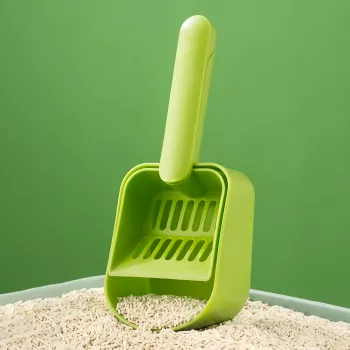
If the goal is a faster daily scoop with less mess around the box, Plastic Cat Litter Scoop with Self-Cleaning Base is a practical add-on for tidier storage. The lightweight plastic build is easy to handle, and the base helps keep residue contained so the scoop isn’t resting directly on the floor or a random surface.
At-a-Glance Details
| Item | Details |
|---|---|
| Product | Plastic Cat Litter Scoop with Self-Cleaning Base – Easy & Efficient Litter Box Cleaning Tool |
| Price | $4.82 USD |
| Availability | In stock |
For homes where the litter area can feel stuffy (especially in winter with closed windows), balancing comfort in the room can help the space feel fresher overall. The Rain Cloud Humidifier is an optional add-on for maintaining a more comfortable indoor environment—separate from litter care, but helpful for the room’s overall feel.
FAQ
Does a self-cleaning base replace washing the scoop?
No. The base helps remove stuck litter and contain residue, but routine rinsing and occasional disinfection are still recommended for good hygiene.
Will this work with clumping and non-clumping litter?
It can be used with both, but results depend on slot spacing and litter type. Clumping litter often works best when clumps are allowed to firm up briefly, while pellet or larger-grain litters usually need wider slots to sift efficiently.
How often should the litter box still be fully emptied and washed?
Many households do a full empty-and-wash every 2–4 weeks, adjusting based on litter type and how many cats use the box. Regular daily scooping plus periodic full changes helps control odor and keeps cats comfortable using the box.








Leave a comment