Women’s Breathable Sports T-Shirt: Fit, Care & Training
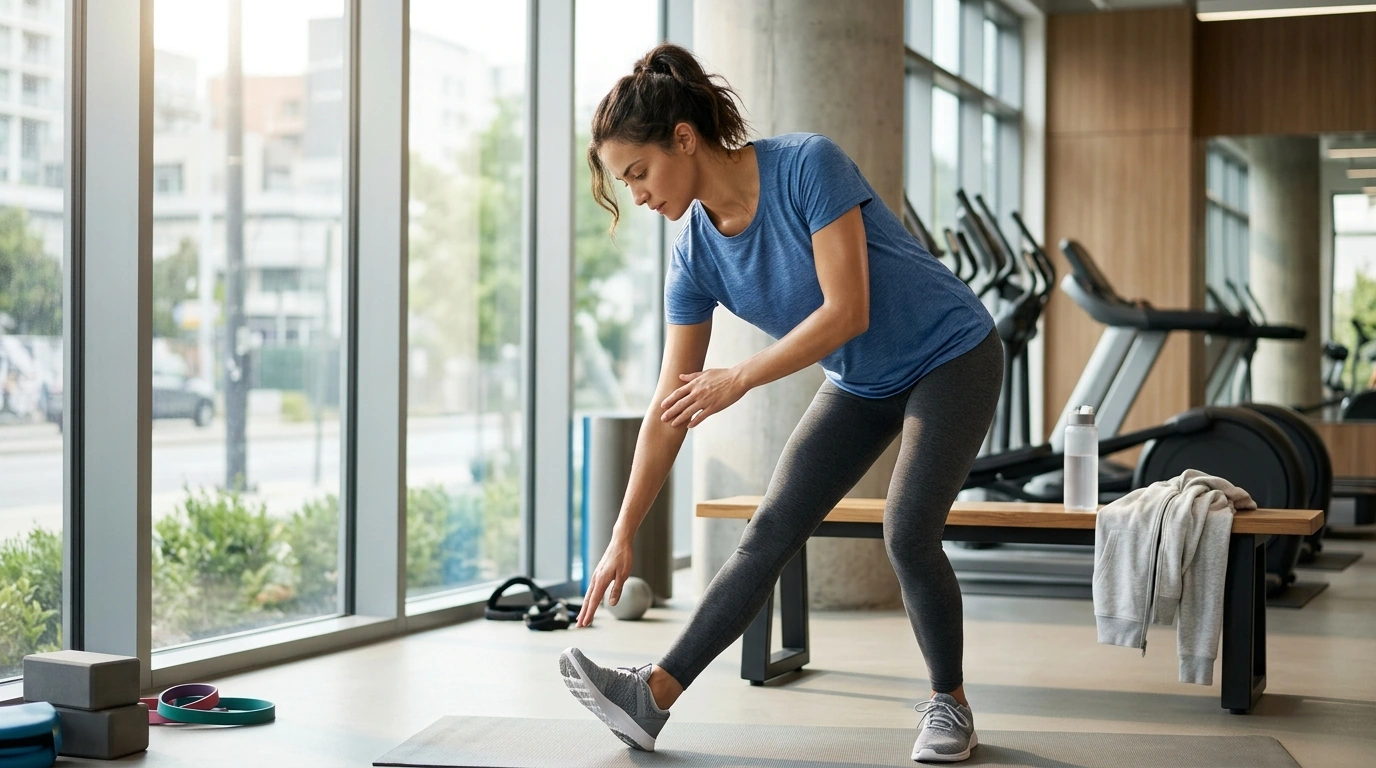
Women’s Breathable Sports T-shirt for Training, Travel, and Everyday Movement
A breathable sports tee should stay comfortable through warm-ups, long cardio sessions, and post-workout errands—without feeling sticky or heavy. The right women’s breathable sports T-shirt balances airflow, sweat handling, and a fit that moves with you, so it feels just as good on a treadmill as it does while walking the terminal or running weekend errands.
What Makes a Sports T-shirt Feel Breathable
“Breathable” is more than just a lightweight fabric. It’s the combination of how the material manages moisture, how the shirt is constructed, and how it fits while you move.
- Moisture management: Fabrics that move sweat off the skin help reduce that clammy feeling during high-output workouts.
- Airflow: Lighter knits and ventilated zones can improve comfort in heat or under studio lighting.
- Dry time: Quick-drying materials reduce chill during cool-down and make the tee easier to wash-and-wear.
- Construction details: Smooth seams and a non-restrictive cut can make the shirt feel cooler by reducing friction and hot spots.
Women’s Breathable Sports T-shirt: Quick Overview
For many routines, a breathable tee is the simplest upgrade: it’s low-fuss, easy to style, and comfortable in motion.
- Designed for active use where airflow and comfort matter: gym sessions, running, walking, cycling, yoga, and travel days.
- A practical choice for layering under a hoodie or light jacket without feeling bulky.
- Good rotation piece for frequent training—especially when paired with easy-care laundry habits.
At-a-Glance Checklist
| Feature | Why it matters | What to look for |
|---|---|---|
| Breathability | Helps keep skin feeling cooler during effort | Lightweight knit, ventilated areas, comfortable cut |
| Sweat handling | Reduces cling and stickiness | Moisture-wicking feel; dries quickly after workouts |
| Mobility | Supports overhead and multi-direction moves | Raglan or flexible shoulder area; not tight across chest |
| Comfort | Prevents irritation on longer sessions | Smooth seams, soft hand-feel, no scratchy labels |
| Everyday wear | Easy to style beyond the gym | Clean silhouette; pairs with leggings, shorts, joggers |
Fit and Feel: How to Pick the Right Size for Movement
Breathability drops fast when a shirt is pulling, bunching, or trapping sweat against the skin. Use this movement-first fit check before committing to a size.
- Shoulders: seams should sit comfortably without pulling when arms lift overhead.
- Chest and upper back: allow enough room to breathe deeply and move freely; avoid tightness that causes fabric to ride up.
- Length: choose a length that stays put during squats and stretches; consider preference for mid-hip vs. longer coverage.
- Neckline: ensure it lies flat and doesn’t gap or feel restrictive during cardio.
- Layering test: try it under a zip hoodie or light jacket to confirm it doesn’t bunch in the sleeves or underarms.
If you’re between sizes, consider how you’ll use it most. A slightly roomier fit can feel cooler for running and HIIT, while a closer (but not tight) fit can feel streamlined for strength days and travel layering.
Comfort Features That Matter During Workouts
The best breathable tees disappear while you train. Look for details that reduce friction and keep your range of motion feeling natural.
- Seams and stitching: flatter seams can reduce rubbing during running or high-rep strength days.
- Underarm comfort: a slightly roomier underarm area can improve airflow and prevent chafing.
- Stretch and recovery: fabric should flex with movement and return to shape after washes.
- Opacity: for bright lighting or outdoor sun, choose a tee that feels confident when bending or stretching.
- Odor control basics: quick wash and full dry after sweaty sessions helps keep tees fresher longer.
For outdoor sessions, comfort also depends on smart layering. A breathable tee works well as a base layer under lighter insulation or a wind shell; REI’s guide to layering basics is a helpful reference for building a system that adapts as your temperature changes.
Care Tips to Keep a Breathable Tee Performing
Even high-quality performance fabric can start to feel less breathable when sweat, detergent residue, and improper drying build up over time.
When in doubt, default to the care label. The FTC’s overview on care labeling of textile wearing apparel explains what those symbols and instructions are designed to communicate.
When This Tee Works Best (and When to Layer)
On longer sessions, don’t forget hydration—comfort is partly moisture management from the inside out. ACSM’s guidance on selecting and effectively using hydration for fitness is a practical refresher for training days and hot climates.
Product Pick
If you want a simple, training-friendly option for workouts and everyday movement, start with the Women’s Breathable Sports T-shirt. It’s an easy piece to rotate through gym days, travel days, and everything in between—pair it with leggings, shorts, or joggers for a clean gym-to-street look.
- Gua Sha Scraping Massage Board Set for simple post-workout recovery and tension relief at home or while traveling.
- Rain Cloud Humidifier to add moisture to dry indoor air—helpful for hotel rooms or air-conditioned spaces where skin and throat can feel dry.
FAQ
How should a breathable sports T-shirt fit for running or HIIT?
Aim for a fit that allows full arm swing and overhead movement without pulling at the shoulders or chest. It should skim the body rather than cling, and the length should stay put during squats and sprints.
Do breathable workout shirts help with sweat and odor?
Breathable, quick-drying fabrics can reduce the damp feeling by moving moisture and drying faster. Odor control still depends on washing promptly, drying fully, and following care-label guidance.
How do you wash a sports T-shirt without ruining performance?
Follow the care label, wash soon after workouts, avoid excess fabric softener, and use low heat or air-dry when possible. These habits help preserve stretch and moisture-handling over time.








Leave a comment