Active Recall + Spaced Repetition: Best Study Method
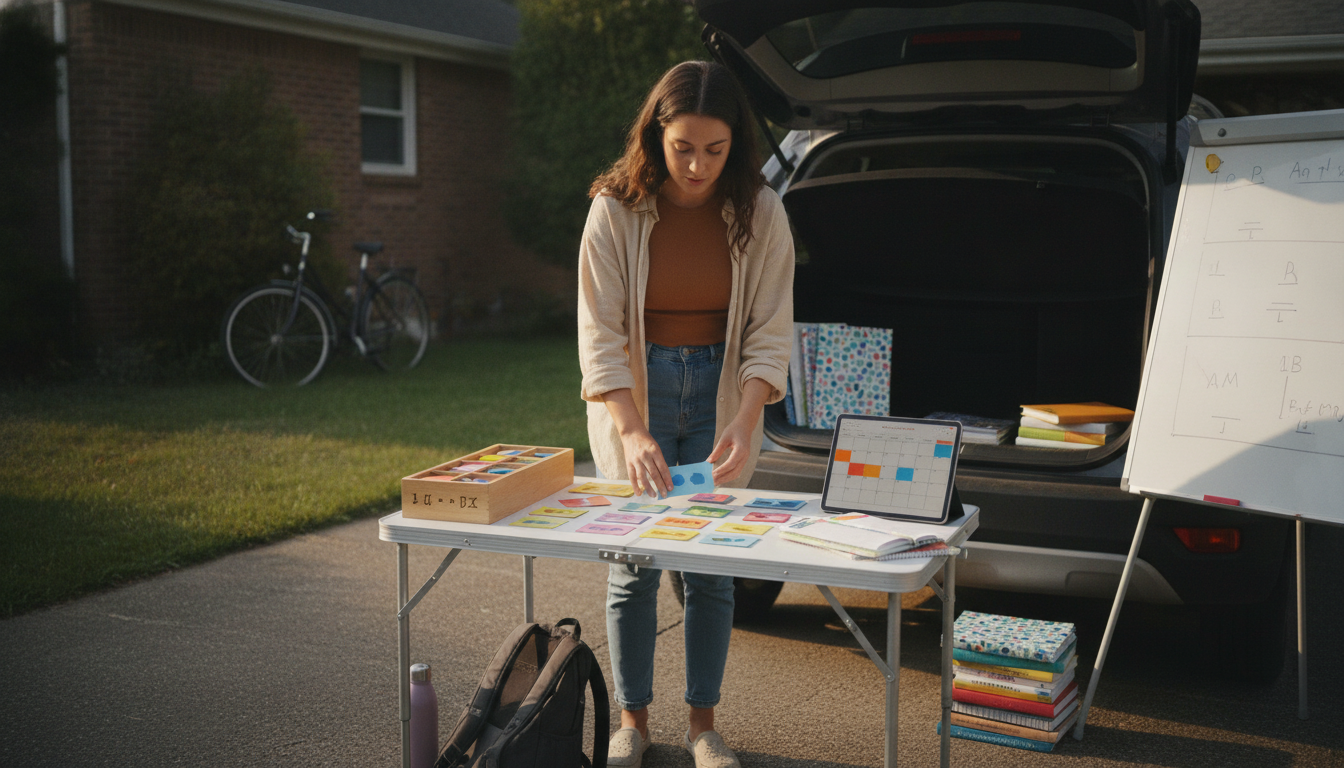
What’s the most effective study technique?
The most effective study technique for most people is active recall paired with spaced repetition. Instead of re-reading notes or highlighting (which can feel productive without building durable memory), active recall forces the brain to retrieve information—exactly what tests and real-life problem solving require. Spaced repetition then schedules that retrieval over time so you remember it longer with less cramming.
How to use active recall (the part that actually moves the needle)
Start by turning your material into questions. After reading a section, close the book or minimize the document and ask: “What were the three main points?” “How would I explain this to someone else?” “What’s an example?” Then answer from memory before checking your notes. The goal is to struggle a little—difficulty is a feature, not a flaw.
Fast ways to do it:
- Write 5–10 questions per chapter and quiz yourself later.
- Use flashcards with a question on the front and a short, specific answer on the back.
- Do practice problems without looking at solutions first.
How to add spaced repetition (so it sticks)
Review the same information on a schedule that expands over time—like 1 day later, then 3 days, then 7, then 14. Keep the sessions short and targeted: focus on what you got wrong or felt unsure about. When a card or concept becomes easy, push it farther out; when it’s hard, bring it closer.
Make it even more effective with short, focused sessions
Pair recall + spacing with distraction-proof blocks (25–45 minutes), a single clear goal per session, and immediate feedback. If attention is slipping, switch from reading to retrieval: self-testing often re-engages focus better than pushing through passive study.
For a deeper walkthrough—plus routines, memory tools, and focus strategies—see the full guide here: study skills mastery guide.
FAQ
How long should a study session be for best results?
Most people do best with 25–45 minutes of focused work followed by a 5–10 minute break. If you can stay fully engaged, longer blocks can work, but quality matters more than duration.










Leave a comment