Dual Tooth Comb for Natural Hair & Wigs: Detangle + Part
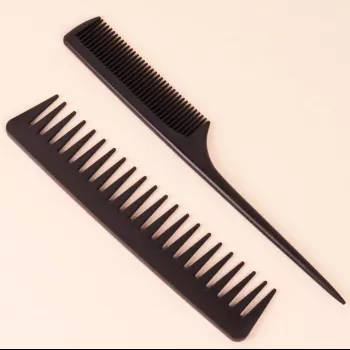
Professional Wide & Fine Tooth Comb for Natural Hair and Wigs
A dual-tooth comb can simplify detangling, parting, smoothing, and styling across natural textures and wigs. With one side designed for easier slip-through and the other made for precision, it’s a practical tool for wash days, quick refreshes, protective styles, and wig prep. The key is knowing what each side does best, using a gentle technique that avoids snagging, and keeping the comb clean so both natural hair and wig fibers look neat and last longer.
What makes a wide-and-fine tooth comb useful
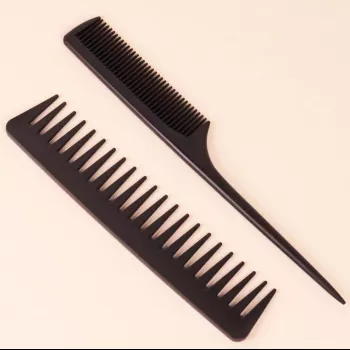
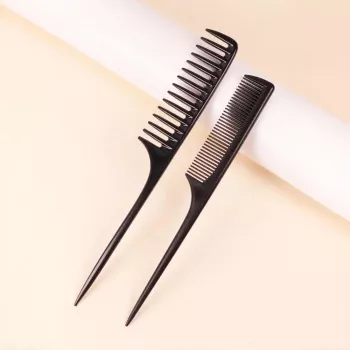
A wide-and-fine tooth comb is essentially two tools in one. The wide teeth help separate and detangle with less resistance, while the fine teeth help smooth the surface, define parts, and refine finished styles. Switching between tooth widths can also make mixed routines easier—especially if you alternate between wash-and-go days, stretched styles, and wigs.
Compared to many brushes, a comb often gives more control for creating clean sections (great for twists, braids, or installs), tidying edges, and tracing a sharp part line. Still, gentle technique matters more than the tool itself: using the right side at the right time helps reduce friction and unnecessary shedding.
If you’re looking for an everyday option, the Professional Wide & Fine Tooth Comb for Natural Hair and Wigs is a simple upgrade that fits into both natural-hair and wig routines without adding extra clutter.
Wide teeth vs. fine teeth: when to use each side
Think of the wide-tooth side as your “detangle and separate” side, and the fine-tooth side as your “polish and precision” side. Using them in the right order can save time and reduce snagging—especially on curlier textures and delicate wig bases.
Quick use guide by task
| Task | Best side | Notes for less snagging |
|---|---|---|
| Detangling natural hair after wash | Wide teeth | Work in sections; start at ends; keep hair damp with conditioner/detangler |
| Refreshing curls without frizz | Wide teeth | Use minimal passes; lift at roots rather than raking through lengths |
| Creating sharp parts | Fine teeth | Apply light tension; use the comb edge for clean lines if available |
| Smoothing for buns/ponytails | Fine teeth | Use with styling gel/cream; avoid over-combing dry curls |
| Detangling a wig | Wide teeth | Support the base/cap; hold hair above the area you’re combing |
| Finishing a wig style | Fine teeth | Use gentle strokes; avoid pulling near knots or lace |
How to detangle natural hair with less breakage
Breakage prevention comes down to lowering friction and avoiding aggressive, repeated passes. Health experts often emphasize gentle handling and minimizing stress on the hair shaft; for broader hair-care basics, the American Academy of Dermatology Association is a helpful reference, and the Cleveland Clinic breaks down common causes of hair breakage and practical prevention.
- Prep with slip: Detangle on damp hair using conditioner, leave-in, or a dedicated detangler so the comb can glide instead of catch.
- Section first: Divide hair into 4–8 sections and clip away what you’re not working on. Smaller sections reduce yanking and rushing.
- Start from the ends: Begin with the last few inches, then move upward gradually as knots release.
- Use wide teeth for tangles: Let the wide-tooth side do most of the work; bring in the fine teeth only for smoothing or parting once the section is already detangled.
- Avoid repeated passes: A few slow, gentle strokes typically cause less wear than frequent re-combing—especially on dry hair.
For styling days that involve detail work (like smoothing a sleek base or refining small sections), pairing your comb routine with the right accessories can help. For example, the Double Head Eyeliner & Eyebrow Brush Set can be handy for precise finishing touches around the brow and eye area when you’re doing a full look alongside your hair.
How to use a comb on wigs (synthetic and human hair)
Wigs can look flawless for longer when the base and fibers are treated gently. The biggest risk areas are the hairline, lace, and knotting—places where too much tension can cause shedding or distortion.
Care and cleaning for longer tool life
For a broader self-care routine that supports comfortable styling days, adding moisture to a dry room can help some people feel less scalp tightness and static. The Rain Cloud Humidifier is an easy home add-on if indoor air runs dry.
Quick comparison table for common hair goals
| Hair goal | Wide teeth | Fine teeth |
|---|---|---|
| Minimize tangles | Best | Use only after detangling |
| Keep curl clumps | Good with light passes | May separate curls if overused |
| Sharp parting | Okay for rough sections | Best |
| Smooth finish for styles | Okay for prep | Best |
| Wig-friendly detangling | Best | Finishing only |
A simple routine: wash day to wig day
If you’re doing a full refresh day, the Gua Sha Scraping Massage Board Set can pair nicely with a calm routine—especially when you want to unwind after styling and keep your self-care consistent.
FAQ
Is a wide-tooth comb or a fine-tooth comb better for natural hair?
Wide teeth are typically better for detangling and reducing snagging, while fine teeth are better for parting and smoothing. Many routines use both: wide first, fine second.
Can a comb be used on wigs without damaging the hairline or lace?
Yes—support the base, detangle from ends upward, keep strokes gentle near knots and lace, and use the wide-tooth side for most detangling. Save the fine-tooth side for final polish and precise parting.
Should hair be detangled wet or dry?
Many people get less breakage when detangling damp hair with conditioner or detangler for slip. Detangling dry hair often increases friction unless the hair is stretched and well-lubricated.







Leave a comment