Pay Yourself First: How to Calculate Your Savings Rate
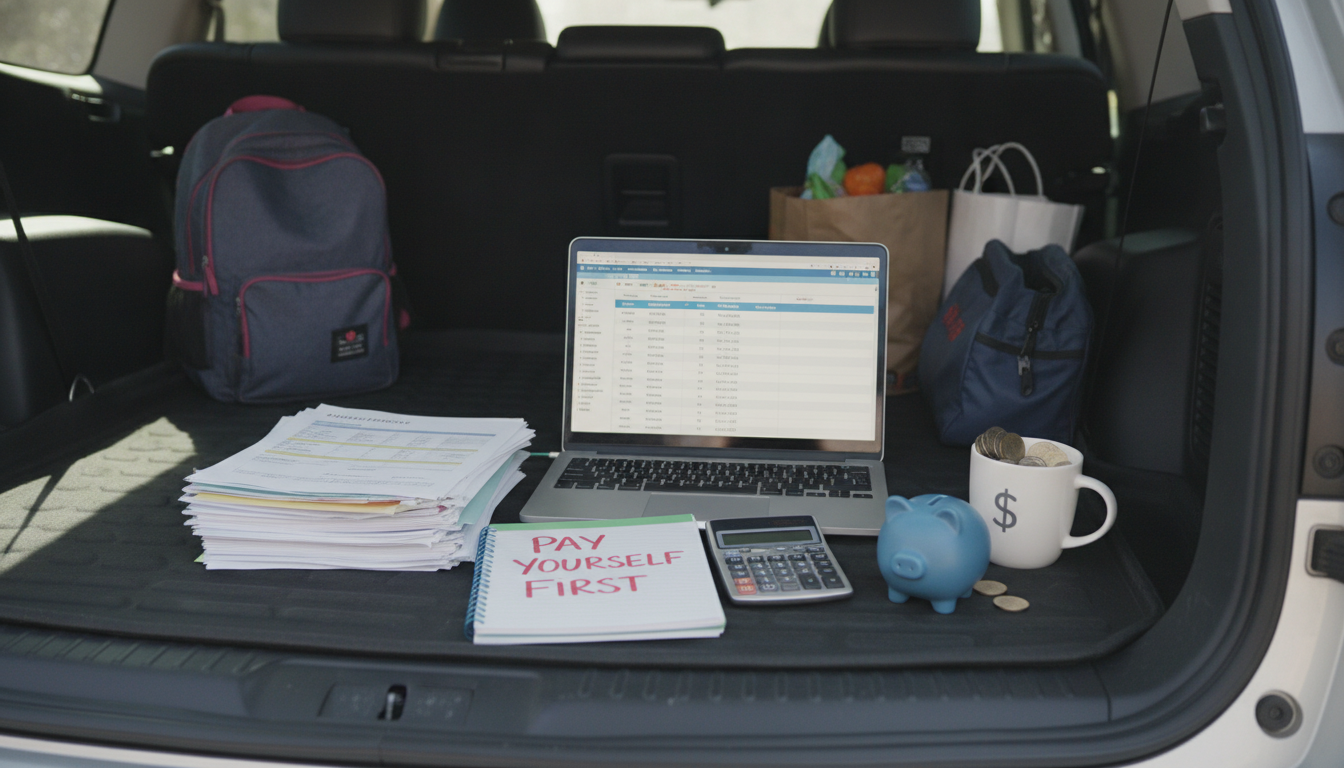
How to calculate pay yourself first?
“Pay yourself first” means you move money to savings or investing as soon as you get paid—before bills and everyday spending. To calculate it, pick a percentage or fixed amount that fits your income and priorities, then automate the transfer so it happens consistently.
Step 1: Start with your take-home pay
Use your net paycheck amount (what lands in your bank account). If income varies, use an average of the last 3–6 months, or calculate based on your lowest “reliable” month to stay realistic.
Step 2: Choose a savings rate (or a fixed dollar target)
A common starting point is 5% to 10% of take-home pay, then increase over time. If you prefer fixed amounts, set a monthly goal that matches a priority, such as building a $1,000 emergency fund or contributing to a Roth IRA.
Simple formula: Pay Yourself First amount = Take-home pay × Chosen percentage
Step 3: Sanity-check against essentials
Make sure the amount won’t cause missed rent, utilities, minimum debt payments, or groceries. If it does, lower the percentage temporarily and plan small increases (for example, +1% every two paychecks).
Step 4: Split your “first” payment across goals
If you have multiple goals, divide the amount into buckets. A practical order is: starter emergency fund, employer match retirement contributions, high-interest debt payoff, then long-term investing.
Step 5: Automate and adjust
Set an automatic transfer on payday to savings or brokerage/retirement accounts. Review every 60–90 days, especially after raises, new bills, or debt payoff, and increase the amount when cash flow improves.
For more examples and a deeper breakdown of percentages, fixed-amount methods, and budgeting tips, visit https://dailygoodsplaza.shop/how-to-calculate-pay-yourself-first/.
FAQ
What percentage should you pay yourself first?
Many people begin with 5% to 10% of take-home pay, then work up toward 15% to 20% as debts shrink and income rises. The best percentage is one you can automate without falling behind on essentials.











Leave a comment